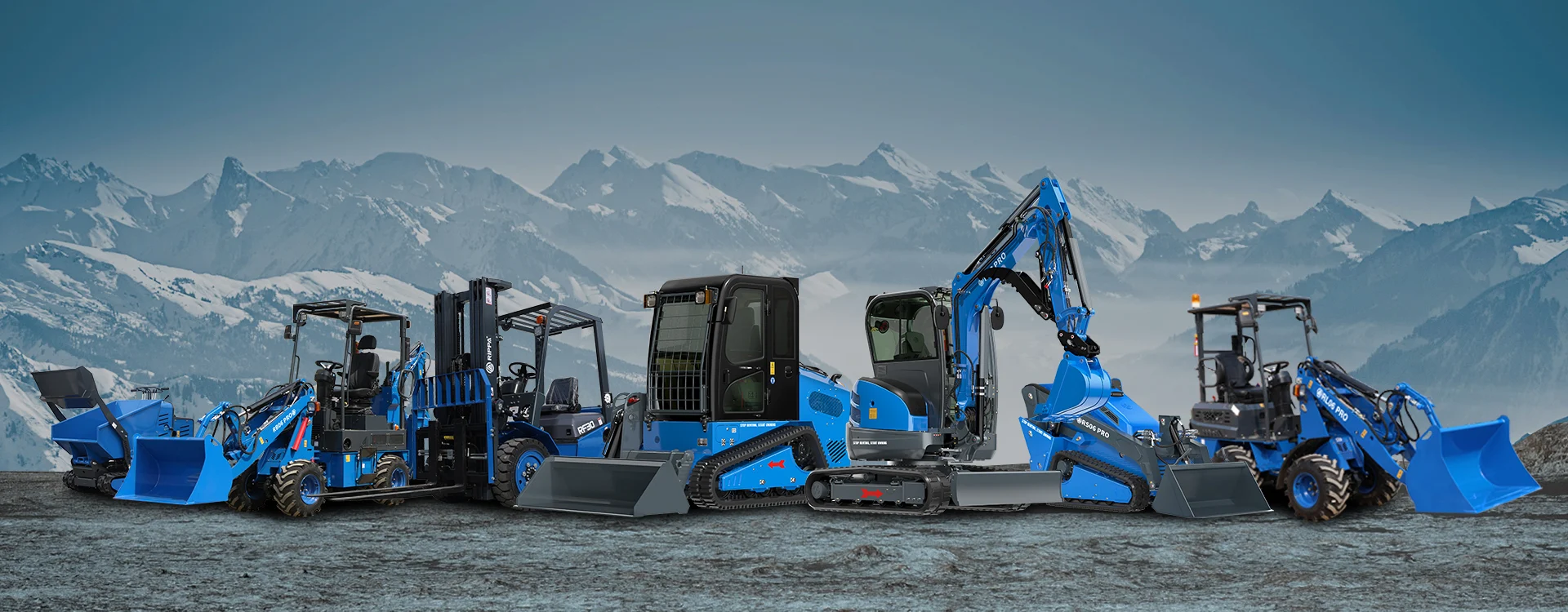
Finding the right mini skid steer wholesale suppliers is essential for equipment dealers planning to serve contractors, landscapers, agricultural businesses, and property maintenance customers. A good wholesale relationship should provide suitable equipment, transparent pricing, consistent product information, and a clear process for ordering parts and handling service issues.
For dealers sourcing machines from China, supplier evaluation should cover more than the unit price. Product suitability, order flexibility, export logistics, inventory planning, and ongoing manufacturer communication all influence the commercial value of a wholesale agreement.
1. Identify the Right Wholesale Supplier
Wholesale mini skid steer suppliers may include equipment manufacturers, export companies, and authorized distributors. Each type of supplier offers a different purchasing structure.
Buying from a manufacturer can provide direct communication about machine configurations, production schedules, and product documentation. An export company may coordinate purchasing and shipping, while a domestic distributor may provide easier local communication and service access.
Before contacting suppliers, define your business requirements:
- Your target customer groups and typical applications.
- The machine configurations you intend to offer.
- Expected initial order size and future purchasing plans.
- Your preferred shipping destination and delivery arrangements.
- Your requirements for spare parts and technical support.
- Any territory, branding, or distribution arrangements you wish to discuss.
A clear purchasing brief helps suppliers prepare comparable quotations and reduces unnecessary back-and-forth communication.
2. Compare Wholesale Pricing and Order Conditions
Wholesale pricing may depend on order quantity, machine configuration, attachments, shipping arrangements, and payment terms. Dealers should request a written quotation that identifies exactly what is included.
When comparing offers, examine the following:
Unit price and volume terms
Ask whether the quoted price applies to one machine or a specific order quantity. If volume-based pricing is available, request the conditions in writing and confirm whether different configurations qualify.
Minimum order quantity
Some suppliers may accept single-unit orders, while others may have minimum quantities for particular configurations or commercial arrangements. Confirm the requirement before investing time in negotiations.
Payment and production schedule
Understand when deposits and balances are due, when production begins, and how changes to an order are handled. Request a realistic production schedule and written confirmation of important milestones.
Total landed cost
Calculate the complete cost of receiving equipment at the intended destination. Depending on the transaction, this may include freight, insurance, customs duties, taxes, brokerage, port charges, and inland transportation.
A supplier offering the lowest factory price may not offer the lowest total purchasing cost. Compare quotations using the same destination and commercial assumptions.
3. Select Products That Match Local Demand
A wholesale agreement is only useful if the equipment suits the customers a dealer serves. Before choosing a product range, investigate the applications and purchasing priorities in your target market.
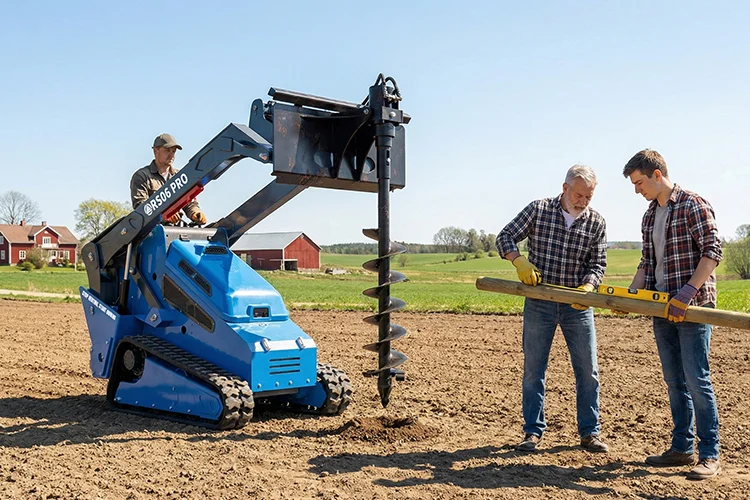
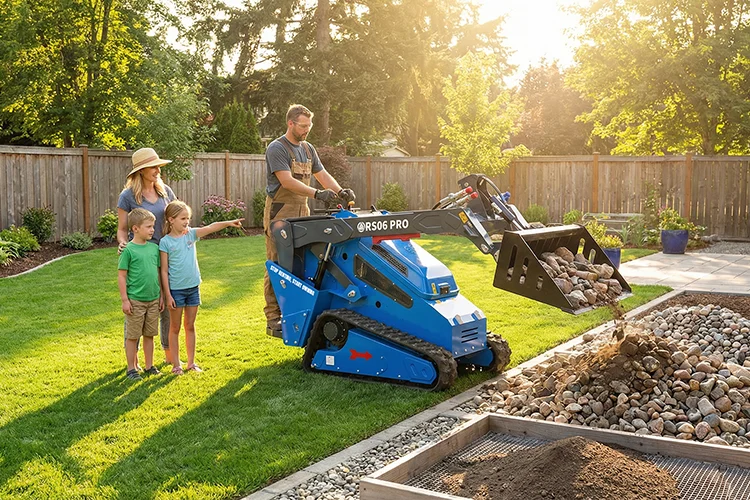
Landscaping companies may need compact machines that work in restricted spaces. Contractors may focus on material handling, attachment compatibility, and ease of maintenance. Agricultural customers may have different requirements based on ground conditions and daily workloads.
Mini skid steers are commonly offered in tracked and wheeled configurations. Evaluate which type is appropriate for your customers rather than assuming one design will meet every need.
Also consider attachment availability. Buckets, augers, trenchers, grapples, and other implements may expand the potential applications of a machine when they are compatible with its mounting interface and hydraulic system.
Request documented specifications and verify the compatibility of each proposed attachment before adding it to your inventory plan.
4. Evaluate the Supplier’s Parts and Service Program
Dealers need a plan for supporting customers after equipment delivery. Before signing a wholesale agreement, determine how the supplier handles routine parts orders, technical questions, reported defects, and warranty claims.
A useful supplier program should clearly explain:
- How to identify parts using model and serial information.
- How parts diagrams and service manuals are provided.
- How technical support requests are submitted.
- How replacement components are quoted and shipped.
- Which warranty terms apply and what exclusions exist.
- What evidence is required for a defect or warranty claim.
Do not assume that parts are locally stocked or immediately available unless the supplier confirms this. Request current information about availability and estimated lead times.
Dealers should also establish their own process for recording serial numbers, maintaining service histories, and communicating with customers about maintenance.
5. Understand Shipping and Inventory Planning
Importing wholesale equipment requires coordination between the supplier, freight provider, customs broker, and receiving location.
Before confirming an order, agree on the shipment’s destination, delivery responsibilities, packaging requirements, export documentation, and applicable Incoterm. Clarify who arranges cargo insurance, handles customs clearance, and pays specific freight or destination charges.
Inventory planning is equally important. Ordering too many machines can tie up working capital, while ordering too few may limit the dealer’s ability to respond to customer demand.
A practical approach is to review expected demand, available storage, cash flow, transport schedules, and the availability of replacement parts before deciding on order quantities. New dealers may prefer to validate local demand with a carefully planned initial order before expanding inventory.
6. Ask About Distribution and Dealer Cooperation
Some manufacturers work with overseas dealers or distributors. If you want to develop a long-term sales territory, discuss the structure of the relationship before placing substantial orders.
Topics may include:
- Geographic coverage and any applicable territory protections.
- Minimum purchasing commitments, if any.
- Dealer pricing and payment conditions.
- Marketing materials and product training.
- Parts ordering and technical assistance.
- Brand use and local promotional responsibilities.
- Lead sharing, customer ownership, and service expectations.
Do not assume that territory exclusivity or marketing support is automatically included in a wholesale price. Request written terms and clarify how the arrangement can be renewed, changed, or terminated.
For U.S. dealers, also consider how the supplier’s equipment range fits local customer expectations and applicable product requirements.
7. Build a Supplier Comparison Checklist
Before choosing a wholesale partner, compare each candidate against the same criteria.
| Evaluation area | Questions to ask |
|---|---|
| Manufacturing | Can the supplier demonstrate its role in production and quality control? |
| Product range | Are the configurations suitable for your customer base? |
| Pricing | Are quotations clear about included items and excluded costs? |
| Order terms | Are minimum quantities, payment terms, and lead times documented? |
| Logistics | Are shipping responsibilities and import documents clearly defined? |
| Parts | Is there a documented ordering process and realistic availability information? |
| 售后服务 | Are technical support and warranty procedures explained in writing? |
| Distribution | Are territory and dealer cooperation terms clearly stated? |
The best supplier is not necessarily the one with the lowest quoted price. It is the partner whose products, commercial terms, communication, and support arrangements fit your business model.
常见问题解答
How do dealers find mini skid steer wholesale suppliers?
Dealers can research manufacturers, attend relevant trade events, review industry directories, and contact suppliers directly. Verify company information, request written quotations, and compare products and commercial terms before ordering.
Can dealers buy mini skid steers directly from China?
Some Chinese manufacturers accept overseas dealer and wholesale inquiries. Availability, minimum order quantities, product options, payment terms, and distribution conditions vary by supplier.
What should a wholesale quotation include?
It should identify the machine configuration, included attachments, price, order quantity, payment terms, estimated production schedule, packaging, shipping responsibilities, and applicable warranty arrangements.
How can a dealer reduce wholesale purchasing risk?
Verify the supplier, document the specifications, use a clear sales contract, agree on inspection procedures, calculate the total landed cost, and establish a parts and service plan before ordering.
结论
Choosing mini skid steer wholesale suppliers is a strategic decision for equipment dealers. A successful partnership depends on suitable products, transparent commercial terms, organized logistics, and dependable communication about parts and service.
By comparing suppliers systematically and planning inventory around actual customer demand, dealers can develop a more sustainable equipment business and build stronger relationships with their customers.
 首页
首页
 产品
产品
 电子邮件
电子邮件
 WhatsApp

