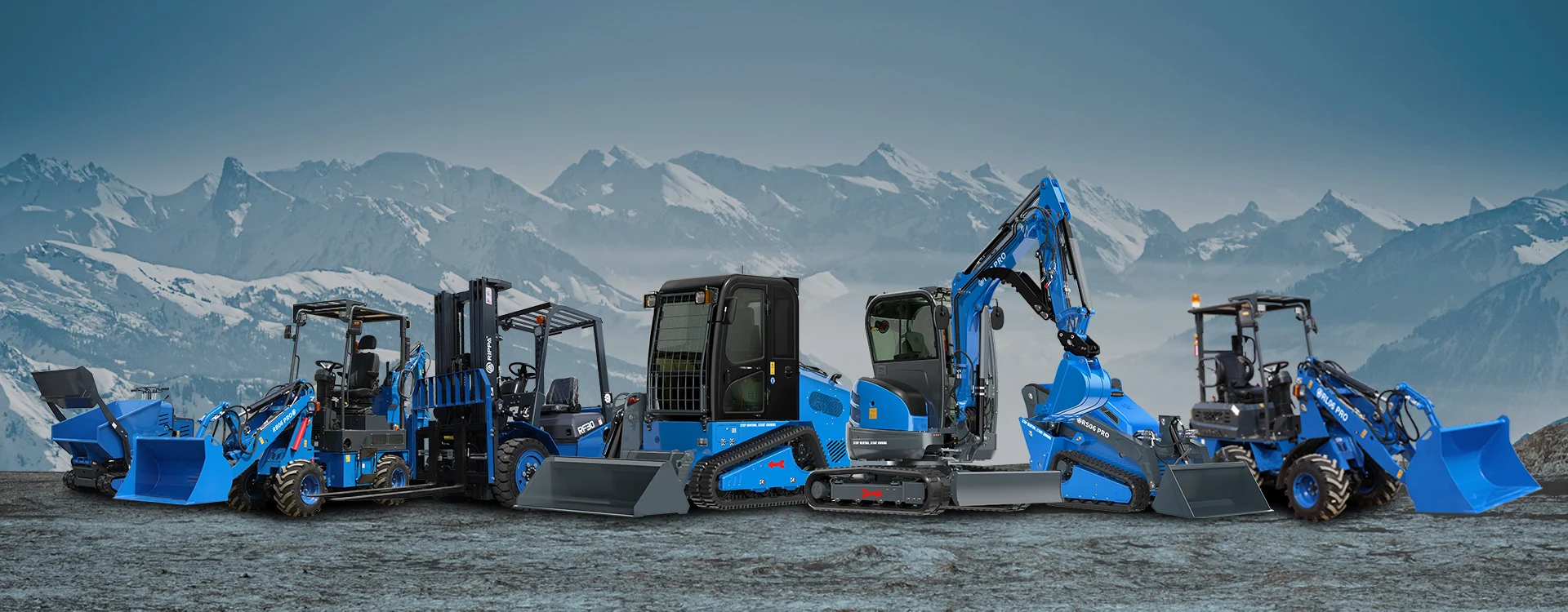
Becoming a Chinese skid steer loader dealer starts with identifying your target customers, selecting a suitable manufacturer, and building a sales and service process that can support repeat business. Existing equipment dealers may be able to expand their product lines, while new distributors can enter the market by focusing on a defined customer group or geographic area.
The opportunity is not simply to purchase machines at a lower price. A successful dealer must understand local demand, manage inventory, communicate product value, and provide dependable customer support.
Step 1: Identify Your Target Market
Before contacting manufacturers, decide which customers you want to serve. Potential markets include landscaping contractors, construction companies, agricultural businesses, property maintenance providers, and equipment distributors.
Research the tasks customers need to perform, the equipment they already use, and the attachments they commonly purchase. Local competitors can also help you understand how products are positioned and which customer needs remain underserved.
A clearly defined market makes it easier to select suitable products and develop a focused sales strategy.
Step 2: Find a Reliable Chinese Manufacturer
Search for manufacturers that offer relevant skid steer loader products and have experience working with international buyers.
Evaluate suppliers based on:
-
Verified manufacturing or sourcing capabilities.
-
Product documentation and quality inspection.
-
Available configurations and attachments.
-
Export and shipping experience.
-
Spare-parts supply and technical support.
-
Clear commercial and warranty terms.
Request a catalogue and quotation, and verify the information before making a purchasing commitment. A manufacturer that communicates clearly and handles problems responsibly can be more valuable than a supplier offering only a lower price.
Step 3: Understand Dealer Cooperation Terms
Before joining a dealer program, clarify the commercial arrangement. Ask whether the manufacturer offers dealer pricing, minimum purchase requirements, marketing resources, training, spare-parts support, or regional sales arrangements.
If territory protection is important to your business, request written terms defining the territory, conditions, duration, and responsibilities of each party. Do not assume that every manufacturer provides exclusive distribution rights.
Also establish how leads are handled, how product claims are resolved, and which party is responsible for customer service.
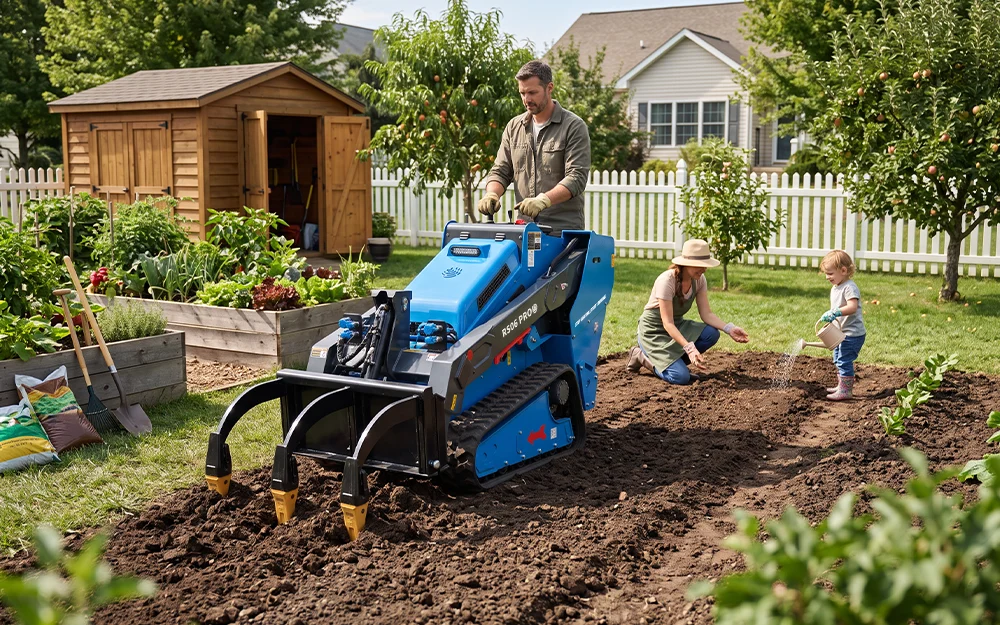
Step 4: Plan Your Initial Inventory
Inventory decisions should reflect actual customer demand rather than the manufacturer’s full catalogue.
Consider starting with a focused selection of products that suit your primary customer group. Review expected sales, shipping costs, storage requirements, parts needs, and the amount of working capital available.
For a new dealership, a small initial order or a demonstration unit may help test demand before committing to a larger inventory. The appropriate approach depends on supplier terms and the local market.
Step 5: Build Sales and Service Capabilities
A dealership needs more than a product listing. Customers may want demonstrations, application guidance, financing information, delivery details, and after-sales support.
Prepare product descriptions, application photos, comparison materials, and clear quotation templates. Train sales staff to explain suitable applications and attachment compatibility without making unsupported performance claims.
Develop a process for receiving service requests and obtaining technical information or replacement parts from the manufacturer.
Step 6: Generate Qualified Business Leads
Online marketing can help a dealership reach customers beyond its immediate area. A focused website should explain the equipment categories offered, customer applications, service arrangements, and how buyers can request a quotation.
Search content can target terms such as “Chinese skid steer loader dealer,” “skid steer loader supplier,” and “skid steer loader wholesale.” Use these phrases naturally and ensure the content answers the questions potential buyers actually ask.
In addition to organic search, dealers can develop relationships with local contractors, equipment associations, trade events, and complementary machinery businesses.
Step 7: Measure Business Performance
Track more than the number of machines sold. Review qualified inquiries, quotation-to-order conversion, gross margin, inventory turnover, delivery performance, and service costs.
These metrics help determine whether the dealership has chosen the right products, supplier, and customer segment. Regular reviews also reveal where changes to pricing, marketing, or stock planning may be needed.
结论
Becoming a Chinese skid steer loader dealer requires careful supplier selection, realistic inventory planning, clear commercial agreements, and a practical sales and service strategy.
Before entering a dealer partnership, request manufacturer information, dealer terms, product documentation, and details of after-sales support. A well-planned start can help build a sustainable equipment distribution business.
 首页
 产品
 电子邮件
 WhatsApp

