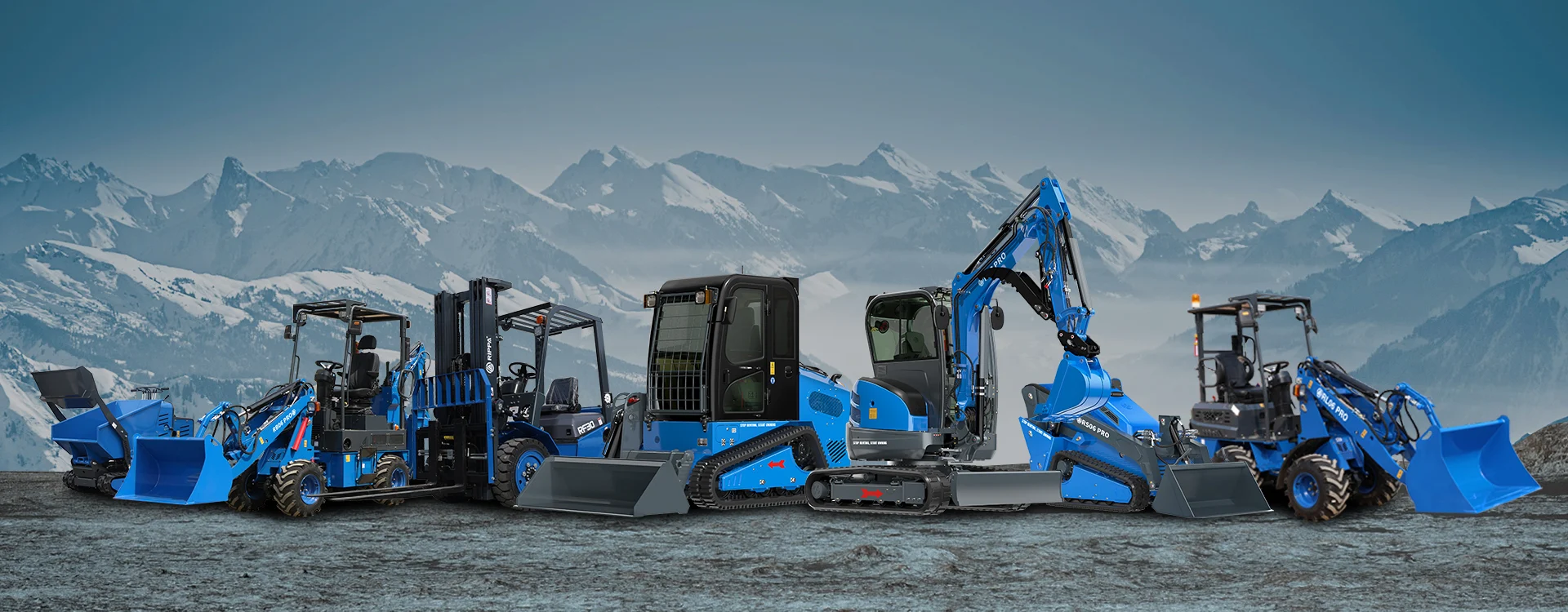
One of the most common questions from global buyers is: how much does a Chinese skid steer cost?
The answer is not a single fixed number. The price of a Chinese skid steer depends on multiple factors, including machine size, configuration, engine type, hydraulic system, attachments, and supplier capability.
Over the past decade, Chinese skid steer loaders have become a major choice in global construction equipment markets due to their competitive pricing and improving build quality. However, understanding what drives cost differences is essential for making a smart purchasing decision.
This guide breaks down the real cost structure of Chinese skid steers, what influences pricing, and how buyers can maximize value while avoiding hidden risks.
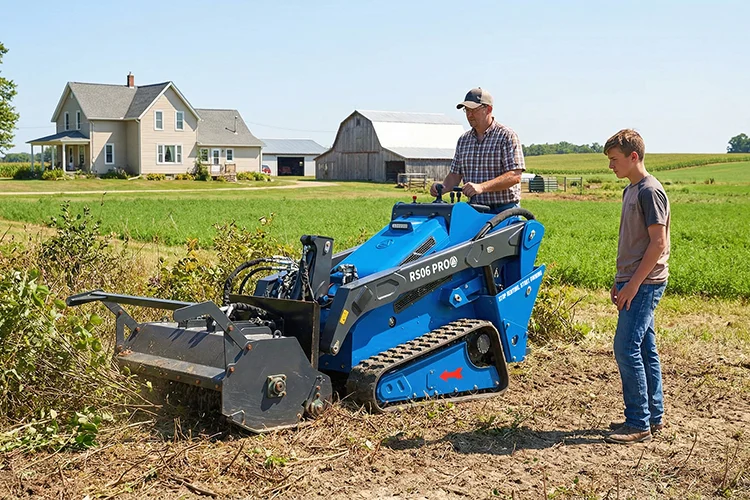
Why Chinese Skid Steers Are Cost Competitive
Chinese skid steers are generally more affordable than many Western or Japanese brands, but this does not simply mean “cheap quality.”
Several structural advantages contribute to cost efficiency:
1. Large-Scale Manufacturing
China has a highly developed construction machinery supply chain, including:
- Steel production
- Hydraulic component manufacturing
- Engine sourcing networks
- Automated assembly lines
This integrated supply chain reduces production costs significantly.
2. Lower Labor and Production Costs
Compared with North America or Europe, manufacturing labor and factory operating costs are lower, allowing manufacturers to offer competitive pricing without compromising core functionality.
3. Export-Oriented Production
Many Chinese manufacturers are built specifically for export markets, meaning:
- Standardized production models
- Bulk production efficiency
- Reduced customization cost overhead
4. Increasing Automation
Modern factories use:
- CNC machining
- Robotic welding
- Digital quality inspection systems
This improves consistency while controlling costs.
Typical Price Range of Chinese Skid Steers
While prices vary by configuration, the general global price range for Chinese skid steer loaders is:
Entry-Level Models
These are compact machines suitable for light-duty work.
- Basic configuration machines
- Standard hydraulic system
- Smaller engine output
- Minimal optional attachments
👉 Price range: Low budget segment
Used commonly for:
- 小型农场
- 园林绿化
- Residential projects
Mid-Range Models
This is the most popular segment for international buyers.
Features typically include:
- Improved hydraulic performance
- Stronger frame design
- Better operator cabin comfort
- More attachment compatibility
👉 Price range: Mid-tier investment level
Used for:
- Construction contractors
- 租赁车队
- Municipal maintenance
High-End Models
These machines are designed for professional heavy-duty applications.
They often include:
- 先进液压系统
- Reinforced structural design
- Premium engine brands
- Enhanced operator comfort
- Better cooling systems
👉 Price range: Higher investment tier
Used for:
- Large construction companies
- Industrial applications
- High-intensity workloads
Key Factors That Affect Chinese Skid Steer Cost
Understanding pricing structure helps buyers avoid overpaying or choosing underpowered machines.
1. Engine Brand and Performance
Engine choice is one of the biggest cost drivers.
Well-known engine brands increase cost but provide:
- 更高的燃油效率
- Longer lifespan
- Easier global maintenance
- More stable performance
Generic engines reduce upfront cost but may increase long-term maintenance needs.
2. Hydraulic System Quality
Hydraulic systems determine machine performance and reliability.
Higher-end systems increase price due to:
- Precision components
- Stronger pump systems
- Better heat management
- Longer service life
3. Machine Size and Frame Strength
Larger skid steers require:
- More steel material
- Reinforced boom structures
- Stronger chassis design
This directly increases production cost.
4. Attachments and Accessories
Standard machines may include basic buckets only, but optional attachments significantly affect total cost.
Common add-ons include:
- 福克斯
- 螺旋钻
- 吹雪机
- 抓斗
- 开沟机
- 液压破碎锤
Each attachment increases overall investment.
5. Cab Design and Comfort Level
Operator-focused upgrades influence pricing:
- Enclosed cabin vs open frame
- Air conditioning system
- Suspension seat
- Noise reduction design
Better comfort usually means higher cost but improved productivity.
6. Certification and Export Standards
Machines exported to Europe or North America often require:
- CE certification
- EPA compliance
- Safety standard upgrades
These compliance requirements increase production cost but ensure smoother import clearance.
Hidden Costs Buyers Should Not Ignore
Many buyers focus only on initial purchase price, but total ownership cost matters more.
1. Shipping and Logistics
International freight costs vary depending on:
- Destination country
- Shipping method
- Machine size
- Port fees
2. Spare Parts Availability
Low-cost machines without strong parts support may cause:
- Downtime delays
- Higher maintenance cost
- Operational interruptions
3. After-Sales Service
Reliable suppliers provide:
- Technical support
- Online troubleshooting
- Local dealer networks
- Fast replacement supply
Poor support increases long-term cost significantly.
4. Maintenance Cost Over Time
A slightly higher-quality machine often results in:
- Lower repair frequency
- Longer service intervals
- Better resale value
How to Get the Best Value for Money
Instead of focusing only on price, buyers should evaluate overall value.
1. Match Machine to Application
Choosing the correct size and power level avoids overspending or underperformance.
2. Evaluate Manufacturer Experience
Experienced exporters typically offer:
- More stable quality control
- Better global support
- Reliable production systems
3. Compare Total Cost, Not Just Price
请考虑:
- Machine price
- Shipping cost
- 备件供应情况
- 维护费用
- Downtime risk
4. Check Dealer and Support Network
A strong dealer network ensures:
- Faster repairs
- Local support availability
- Better customer experience
Future Pricing Trends of Chinese Skid Steers
The Chinese construction machinery industry is evolving rapidly.
Future trends affecting pricing include:
- Increased automation reducing production costs
- Growing demand pushing premium models upward
- Electric skid steers entering the market
- Higher global certification standards
- Improved component quality increasing baseline price slightly
Overall, prices are expected to remain competitive while quality continues improving.
结论
The cost of a Chinese skid steer varies widely depending on configuration, performance level, and supplier capability. While entry-level models offer attractive affordability, mid-range and high-end machines provide significantly better durability, performance, and long-term value.
For global buyers, the smartest approach is not choosing the cheapest option, but selecting a machine that balances price, performance, reliability, and after-sales support.
A well-chosen Chinese skid steer can deliver excellent productivity, low operating cost, and strong return on investment across construction, agriculture, landscaping, and municipal applications.
 首页
首页
 产品
产品
 电子邮件
电子邮件
 WhatsApp

