For construction equipment rental companies, machine uptime is one of the most important factors behind profitability. A mini excavator that is rented frequently can generate steady income. But the same machine can quickly become a cost burden if it stays in the yard waiting for replacement parts, troubleshooting, or repair decisions.
This is why parts availability matters so much in the rental business.
When a mini excavator is down, the rental company does not only lose one repair day. It may lose a confirmed booking, disappoint a contractor, delay a landscaper’s project, or push a customer to another rental provider. If downtime happens repeatedly, the company may lose long-term customer trust.
Mini excavators are valuable rental machines because they can serve many customers: contractors, landscapers, farms, property owners, municipal users, and small businesses. They support trenching, drainage, driveway repair, farm maintenance, landscaping, fence preparation, and small site work. But this value can only be captured when machines stay available.
For rental companies considering RIPPA mini excavators or any compact excavator fleet, parts planning should be part of the purchase decision from the beginning.
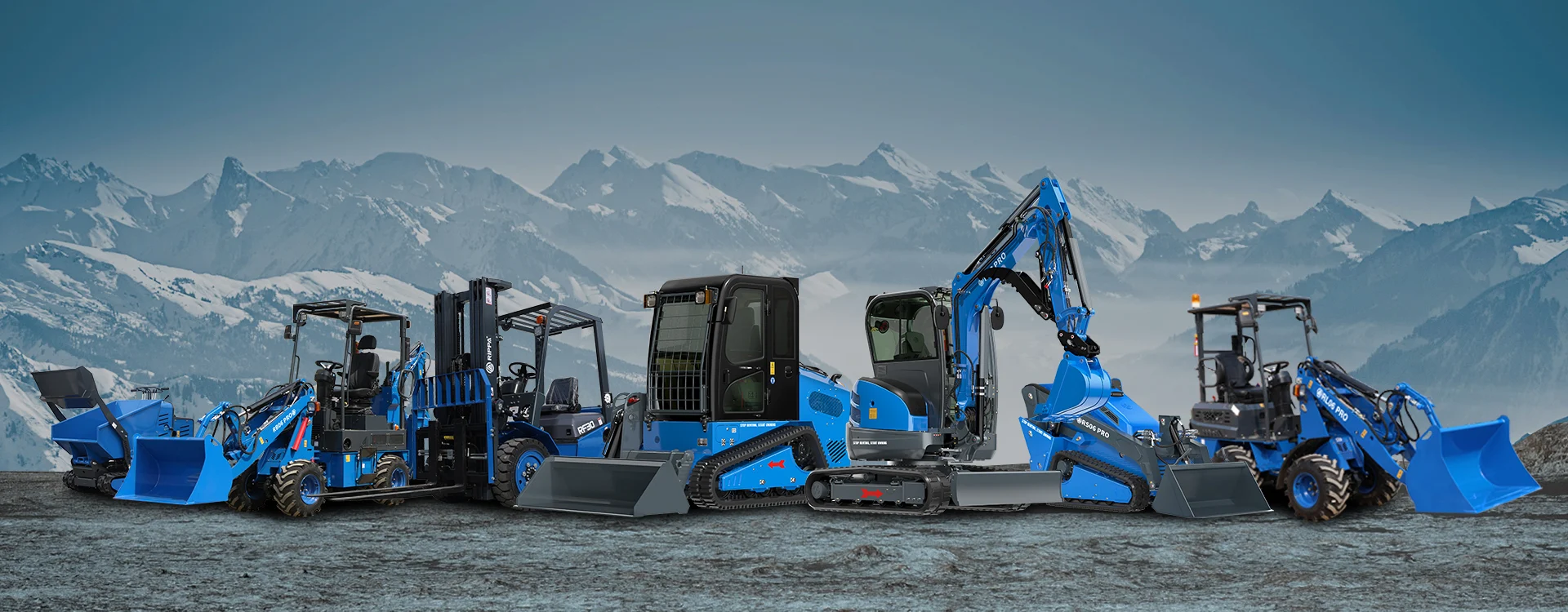
Why Parts Availability Is a Profitability Issue, Not Just a Maintenance Issue
Many rental companies treat parts as a service department topic. In reality, parts availability is a revenue topic.
A machine that cannot be repaired cannot be rented. A machine that cannot be rented cannot generate income. A machine that disappoints customers can also reduce future bookings.
Parts availability affects:
- Rental income
- Fleet utilization
- Customer satisfaction
- Staff efficiency
- 维护计划安排
- Emergency repair cost
- Customer retention
- Fleet expansion decisions
- Long-term machine value
If a mini excavator is rented often, even a small part delay can create a chain reaction. One missed rental may affect a contractor’s job schedule. That contractor may call another rental company. If the competitor has a machine available, the customer may not return.
This is why rental companies should evaluate spare parts support before adding new mini excavators to the fleet.
How Downtime Directly Reduces Rental Revenue
Rental companies earn money when machines are available and working. Downtime breaks that cycle.
A down machine can create several losses:
| Downtime Impact | Business Result |
|---|---|
| Lost rental days | Direct loss of rental income |
| Cancelled reservations | Customers may rent from competitors |
| Delayed repairs | Machine stays inactive longer |
| Emergency shipping | Higher parts cost |
| Staff time wasted | Team spends more time searching for solutions |
| Customer complaints | Reduced trust and repeat business |
| Lower utilization | Fleet performance declines |
| Poor planning | Harder to schedule future bookings |
Even if the repair itself is simple, the business impact can be serious if the part is not available or cannot be identified quickly.
For example, a rental company may have a customer waiting for a mini excavator for a drainage project. If the machine needs a replacement part and the rental team cannot source it quickly, the rental is lost. The customer may not care whether the issue is small or complex. From the customer’s point of view, the machine was unavailable.
Mini Excavators Have Rental Wear Patterns
Mini excavators in rental fleets often experience different wear patterns from privately owned machines. A private owner may use the machine with consistent habits. A rental machine may be operated by different people, on different jobs, and in different ground conditions.
Rental use can involve:
- Frequent loading and unloading
- Different operators with different skill levels
- Varied soil and surface conditions
- Different attachments
- Short rental cycles
- Quick return inspections
- Repeated transport
- Occasional misuse or rough operation
Because of this, rental companies should expect regular inspection and parts replacement. A strong spare parts plan reduces the chance that normal wear becomes unexpected downtime.
Common Parts Rental Companies Should Plan For
The exact parts list depends on the current machine model and configuration. However, rental companies should usually discuss a common spare parts strategy with the supplier before buying machines.
Common planning areas may include:
| Parts Category | 为何这很重要 |
|---|---|
| 筛选条件 | Supports routine maintenance |
| Fluids and service items | Helps standard service work |
| Track-related components | Important for machines working on varied surfaces |
| Bucket teeth or cutting edges | Affects digging performance |
| Pins and bushings | Common wear areas in excavation work |
| Hydraulic-related service parts | Helps with troubleshooting and repair |
| Hoses and fittings where applicable | Reduces downtime from small failures |
| Attachment-related parts | Supports rental packages |
| Electrical service items where applicable | Helps diagnose common issues |
| Fasteners and small wear items | Useful for quick return-to-rent repairs |
Rental companies should not assume one universal parts package fits every machine. The correct package should be confirmed according to model, fleet use, local working conditions, and supplier recommendations.
For RIPPA mini excavators, rental companies should confirm recommended spare parts packages, parts identification process, warranty handling, and technical support channels before fleet purchase.
Parts Identification Is as Important as Parts Inventory
Stocking parts is useful, but it is not enough. Rental companies also need to identify the correct part quickly.
Parts identification becomes difficult when:
- Machine records are incomplete
- Model information is unclear
- Serial information is not recorded
- Photos are not enough to confirm the part
- Staff do not know the correct part name
- Supplier communication is slow
- Machines in the fleet use different configurations
A clear parts identification process helps rental companies avoid wrong orders and repair delays.
Rental companies should keep organized records for each mini excavator, including model, serial number, configuration details, attachment information, purchase date, maintenance history, parts replacement history, and supplier contact process.
This system becomes more important as the fleet grows.
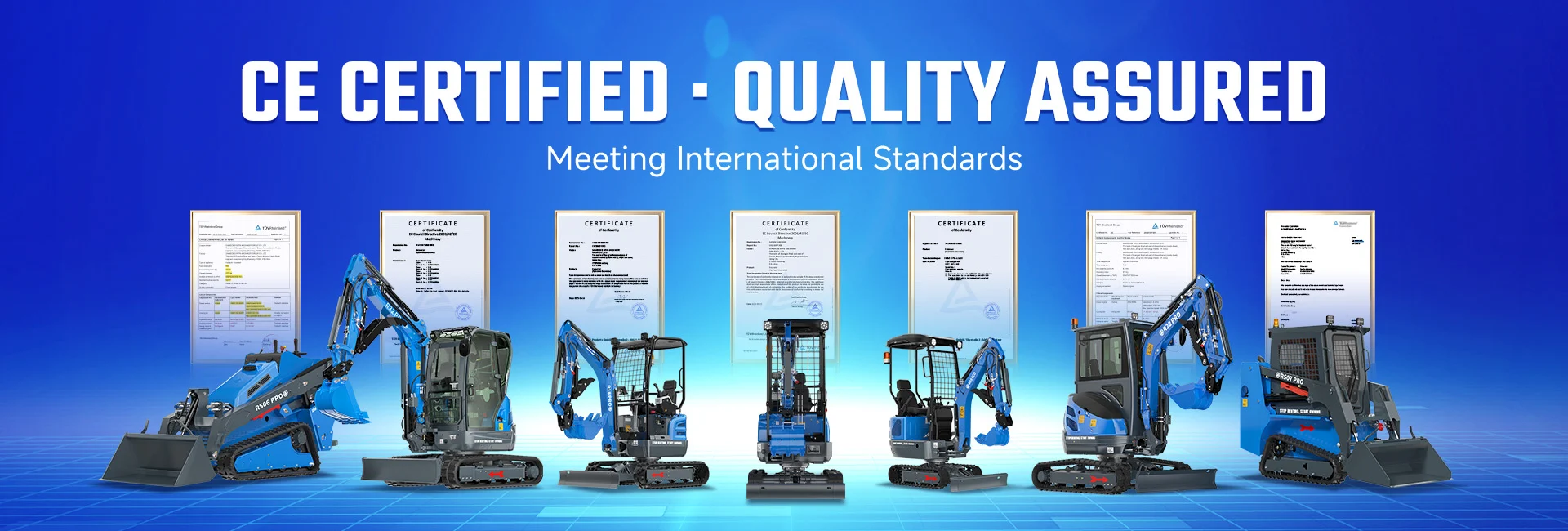
Why Supplier Support Matters After the Sale
For rental companies, the supplier relationship continues after the machine arrives. A supplier that only provides a machine but cannot support parts, documentation, or technical questions may create problems later.
Rental companies should ask suppliers:
- How are spare parts identified?
- What parts should be stocked for rental use?
- What information is needed when ordering parts?
- What is the process for technical support?
- How are warranty-related parts handled?
- Are parts matched to model and serial information?
- Are maintenance materials available?
- Can the supplier support repeat fleet orders?
- Are attachment parts also supported?
- What communication channel should be used for urgent issues?
A good supplier helps the rental company keep machines available. That availability supports rental revenue.
Maintenance Planning Reduces Parts Emergencies
Parts availability works best when combined with preventive maintenance. Rental companies should not wait until a machine breaks down before checking common wear areas.
A practical rental maintenance process may include:
- Inspection before rental
- Inspection after return
- Cleaning after use
- Checking tracks and undercarriage areas
- Checking bucket and attachment condition
- Checking fluid levels
- Reviewing visible leaks or damage
- Recording operator feedback
- Scheduling routine service
- Reordering used spare parts promptly
This process helps rental companies catch small issues before they become rental cancellations.
For mini excavators, return inspection is especially important because machines may be used in soil, gravel, mud, roots, demolition support, or uneven terrain. Every return should be treated as a chance to protect the next rental.
Attachment Parts Also Affect Rental Profitability
Mini excavator attachments can increase rental opportunities, but they also create additional maintenance needs.
Common attachment directions may include:
- Digging buckets
- Grading buckets
- 螺旋钻
- Hydraulic thumbs
- Rakes
- 抓斗
- Breakers
- Quick couplers
Attachment compatibility should always be confirmed according to the current machine model and official product information.
Attachments may need their own inspection and parts planning. A rental company offering augers, buckets, rakes, thumbs, or other tools should understand wear points, connection requirements, and replacement items.
If an attachment is unavailable or damaged, the rental company may lose a higher-value rental package even if the base machine is working.
How Parts Support Helps Customer Retention
Rental customers often judge a company by availability and reliability. If they call and the machine is ready, they remember. If they call and the machine is down, they may call someone else next time.
Strong parts support helps rental companies:
- Keep machines available
- Reduce cancelled bookings
- Respond faster to issues
- Protect customer schedules
- Build confidence with contractors
- Support repeat rental customers
- Improve reviews and referrals
- Plan fleet expansion more safely
This is especially important for professional customers. Contractors and landscapers often work on tight schedules. If equipment is not available, their project may be delayed.
A rental company that keeps mini excavators available can become a preferred supplier for local repeat customers.
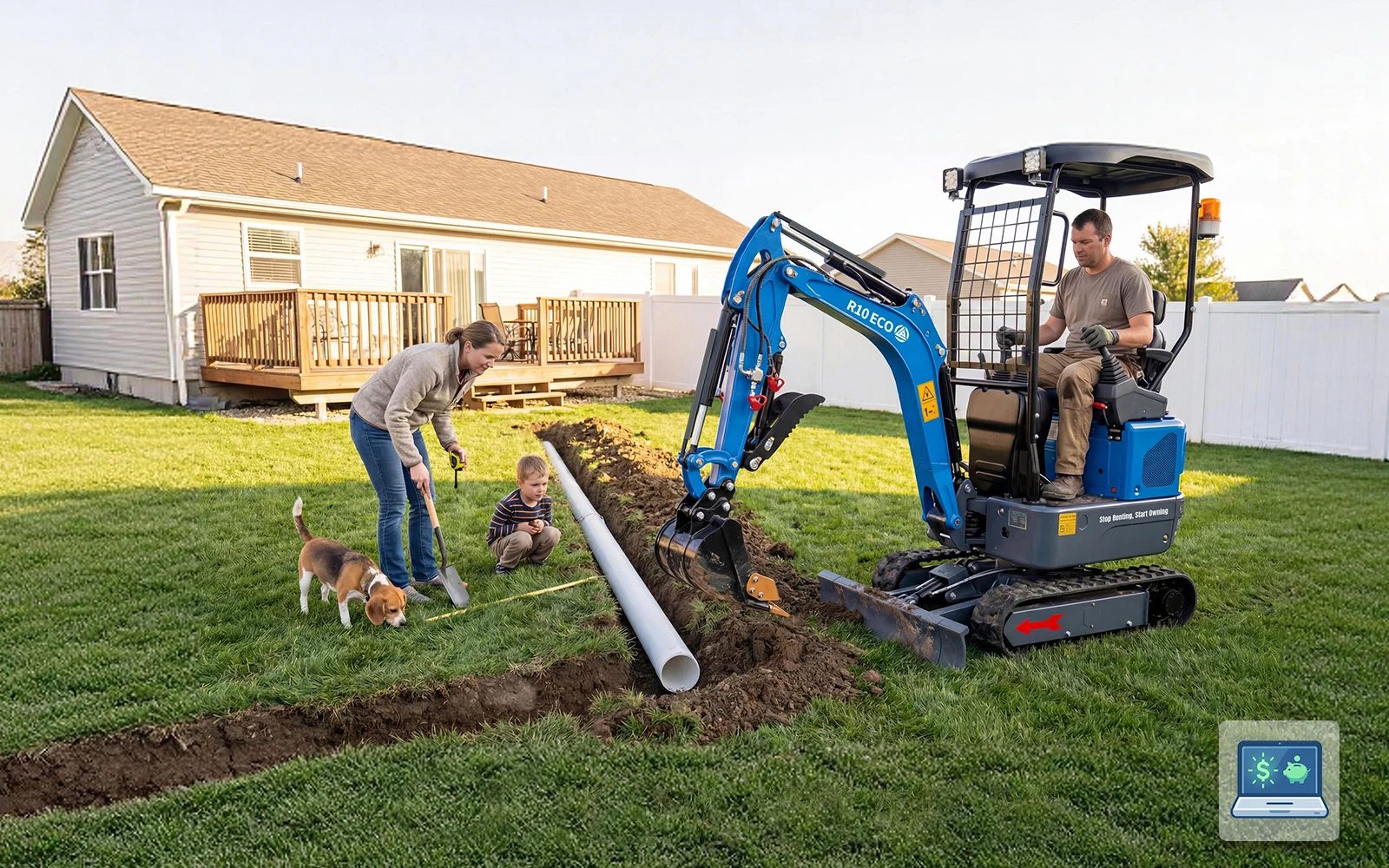
How RIPPA Mini Excavators Can Fit a Parts-Based Rental Strategy
RIPPA mini excavators can be considered by rental companies that want compact digging machines for trenching, landscaping, farm maintenance, property work, drainage, driveway repair, and small contractor applications.
However, before adding RIPPA machines to a rental fleet, companies should confirm support details that affect uptime.
Important items include:
| 待确认事项 | 为何这很重要 |
|---|---|
| Current machine configuration | Helps match parts to the correct model |
| Recommended spare parts package | Supports fleet readiness |
| Parts identification process | Reduces ordering mistakes |
| 附件兼容性 | Helps plan attachment-related parts |
| 保修政策 | Clarifies support responsibility |
| Technical support channel | Helps diagnose issues faster |
| Maintenance materials | Supports rental staff training |
| 送货安排 | Helps fleet planning |
| Repeat supply ability | Supports future fleet expansion |
RIPPA’s broader compact equipment line may support future rental business development, but mini excavators should remain the core product focus for compact digging demand.
How to Build a Mini Excavator Parts Plan
Rental companies can build a stronger parts plan by following a simple process.
Step 1: List the most common rental applications
Identify whether customers use machines mainly for drainage, landscaping, farm work, contractor jobs, driveway repair, or property maintenance.
Step 2: Identify wear points
Review which parts are most likely to wear in those applications.
Step 3: Confirm supplier recommendations
Ask the supplier which parts are recommended for rental fleets.
Step 4: Build a starter parts package
Stock parts that are most likely to reduce downtime.
Step 5: Track actual usage
Record which parts are used most often after rentals.
Step 6: Adjust inventory over time
Use real maintenance history to improve the parts package.
Step 7: Train staff
Make sure staff can identify parts, record issues, and communicate with the supplier.
A parts plan should evolve with fleet experience.
Questions Rental Companies Should Ask Before Buying
Before buying mini excavators for rental use, companies should ask:
- What spare parts should we keep in stock?
- How do we identify the correct part?
- What machine information is needed for parts orders?
- Are parts linked to model and serial information?
- How are warranty parts handled?
- What technical support is available?
- Are maintenance materials available?
- Which attachments are compatible?
- Are attachment parts supported?
- Can the supplier support repeat orders as the fleet grows?
These questions help rental companies protect uptime and reduce business risk.
常见问题解答
Why does parts availability matter for mini excavator rental companies?
Parts availability matters because downtime directly reduces rental income. If a machine is waiting for parts, it cannot be rented and may cause customers to choose competitors.
What parts should rental companies keep for mini excavators?
The exact parts list depends on the machine model and configuration. Rental companies should discuss filters, wear items, track-related parts, bucket parts, pins, bushings, hydraulic-related service parts, and attachment-related items with the supplier.
Is parts support more important than purchase price?
Purchase price matters, but parts support can have a larger long-term impact on profitability. A cheaper machine may become costly if it causes long downtime or repair delays.
How can rental companies reduce mini excavator downtime?
They can reduce downtime through preventive maintenance, return inspections, spare parts planning, clear parts identification, staff training, and supplier technical support.
Do attachments require separate parts planning?
Yes. Attachments have their own wear points and connection requirements. Rental companies should confirm attachment compatibility and support before offering attachment packages.
Can RIPPA mini excavators fit rental fleets that need parts support?
RIPPA mini excavators may fit rental fleets serving compact digging demand, but rental companies should confirm current spare parts packages, parts identification, warranty policy, technical support, and delivery terms before purchase.
结论
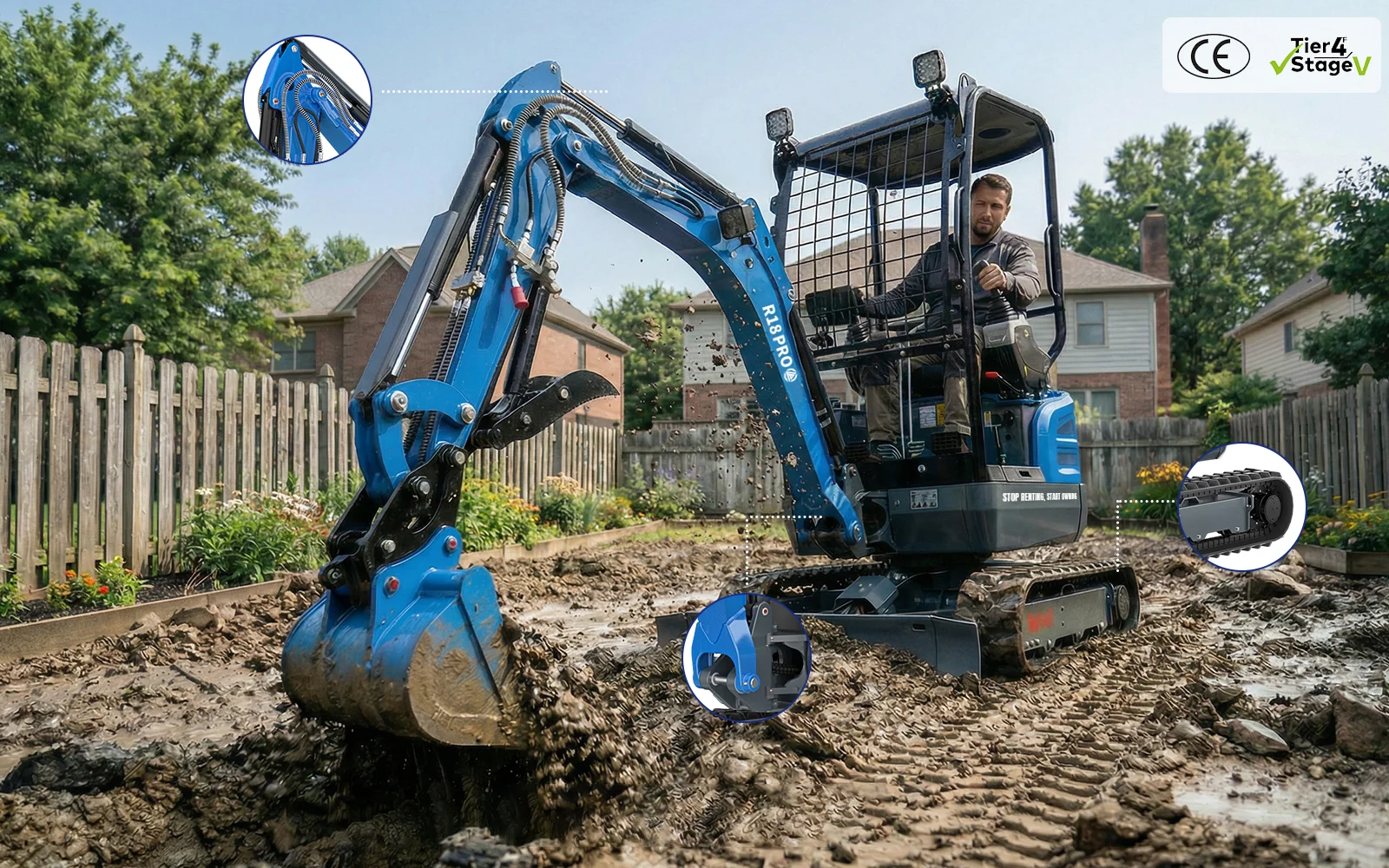
Parts availability has a direct impact on mini excavator rental profitability. A rental machine only generates income when it is available, working, and ready for the next customer. If it is waiting for parts, the company loses rental days, customer trust, and future opportunities.
Rental companies should evaluate mini excavators based not only on purchase price, but also on spare parts support, parts identification, maintenance access, warranty handling, technical support, and attachment support.
RIPPA mini excavators can be considered by rental companies building a compact digging fleet for trenching, drainage, landscaping, farm maintenance, property work, and small contractor applications. Before purchase or promotion, rental companies should confirm all current product, parts, support, warranty, delivery, and attachment details through official RIPPA channels.
A strong parts plan protects uptime. Strong uptime protects rental revenue.
 首页
首页
 产品
产品
 电子邮件
电子邮件
 WhatsApp

