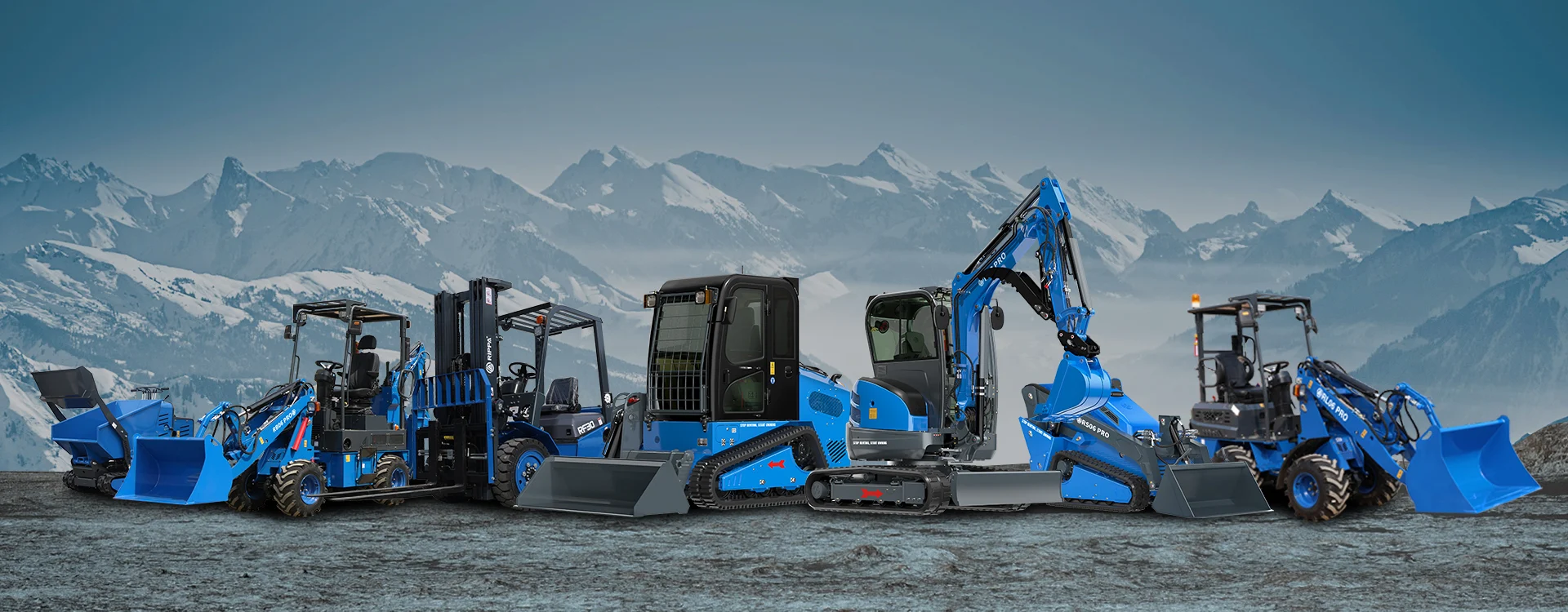
Selecting the right skid steer loader can significantly improve your productivity, reduce operating costs, and ensure safer, more efficient work on any jobsite. Whether you’re in construction, landscaping, agriculture, or material handling, the right machine—and the right attachments—can streamline your entire workflow. This guide explains how to choose the best skid steer loader for your specific job requirements, covering performance specs, operating conditions, maintenance, and more.

1. Understand Your Job Requirements
Before comparing models, start by defining the core tasks you need to complete. This helps you avoid overspending on a machine that’s too large or choosing one that’s too weak.
Ask yourself:
-
What materials will I handle? (soil, gravel, sand, pallets, logs, debris)
-
How much lifting capacity do I need?
-
Will I use high-demand hydraulic attachments?
-
How much space do I have to operate in?
-
What terrain and working conditions will the machine face?
Your answers will guide the specifications you prioritize.
2. Choose the Correct Skid Steer Size
Skid steer loaders come in three main size categories, each suitable for different job types.
1) Small Skid Steer Loaders
-
Compact size for tight urban spaces
-
Ideal for landscaping, small construction jobs, and indoor work
-
Lower operating cost
-
便于运输
2) Medium Skid Steer Loaders
-
Most versatile for general construction
-
Good balance of lifting capacity and maneuverability
-
Support a wide range of attachments
3) Large Skid Steer Loaders
-
Best for heavy lifting and demanding construction
-
Handles large buckets, grapples, and high-flow attachments
-
More stable and faster cycle times
Choose a machine size that matches both your site conditions and performance needs.
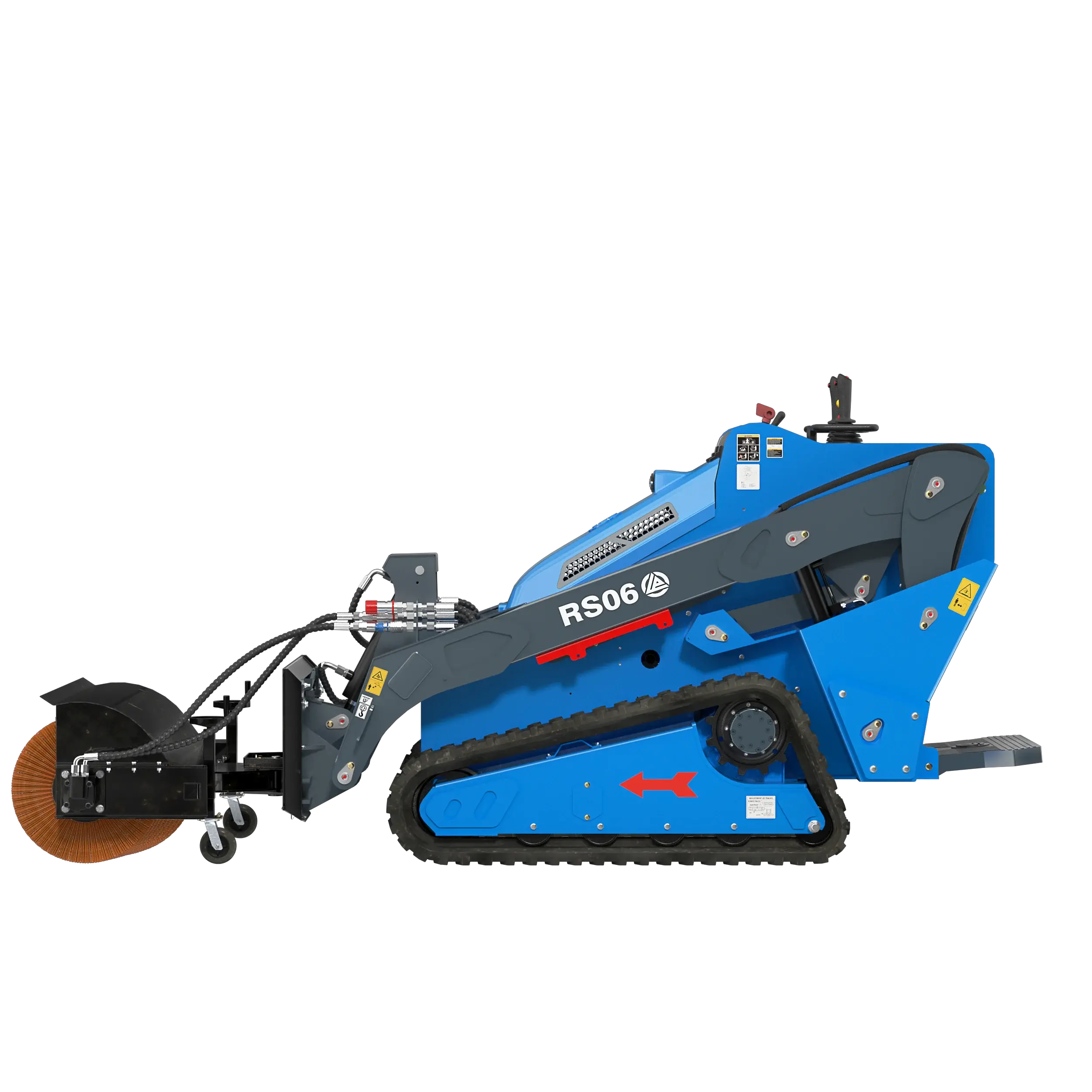
3. Compare Key Performance Specifications
To select the right skid steer loader, pay close attention to the following technical specs:
• Rated Operating Capacity (ROC)
The most important indicator of lifting performance.
Higher ROC = better for heavy materials and pallet handling.
• Engine Power (HP)
More horsepower improves cycle times, pushing force, and the ability to operate demanding attachments.
• Hydraulic Flow
Hydraulic power determines attachment performance.
-
Standard Flow: Suitable for buckets, forks, sweepers
-
High Flow: Required for trenchers, planers, cold milling, stump grinders
• Operating Weight
Heavier machines = more stability
Lighter machines = easier transportation
• Machine Width and Height
Critical for indoor work, narrow sites, and transporting through gates or building entrances.
4. Match Attachments With Your Work Requirements
One of the biggest advantages of skid steer loaders is their versatility. To choose the right machine, identify the attachments you will use most frequently.
Common attachment types:
-
General-purpose bucket
-
托盘叉
-
奥格
-
开沟机
-
Snow blower
-
抓斗
-
Brush cutter
-
Breaker/hammer
If your job depends heavily on hydraulic attachments, prioritizing high-flow hydraulic systems is essential.
5. Consider Your Jobsite Environment
Your working conditions directly affect which skid steer loader performs best.
For muddy or soft ground:
选择 track loaders for better traction and reduced ground disturbance.
For paved or hard surfaces:
Wheeled skid steers offer faster travel speed and lower maintenance cost.
For extreme temperatures:
Look for enclosed cabs, powerful cooling systems, and heating options.
6. Evaluate Comfort and Operator Safety
Operator comfort impacts efficiency and fatigue. When comparing models, check:
-
Visibility from the cab
-
Control layout and ergonomics
-
Suspension seat
-
Noise and vibration levels
-
Safety certification and protection structures (ROPS/FOPS)
A comfortable operator is a productive operator.
7. Assess Maintenance and Ownership Costs
The right skid steer loader should be durable and economical to maintain.
Key considerations:
-
Accessibility of engine and service points
-
备件的供应情况
-
Warranty terms
-
Fuel consumption
-
Dealer or manufacturer support
Choosing a brand with strong support and reliable build quality reduces long-term costs.
8. Set a Realistic Budget
Skid steer loader prices vary widely based on brand, specs, and attachments.
General price ranges:
-
Compact models: $10,000 – $20,000
-
中型车型: $20,000 – $35,000
-
Large models: $35,000 – $60,000+
If you want high performance without premium-brand pricing, consider reputable Chinese manufacturers such as RIPPA, which offer:
-
极具竞争力的价格
-
强大的起重性能
-
EPA/CE-certified engines
-
Fast delivery and overseas support
-
广泛的附件兼容性
This is especially suitable for B2B buyers, rental companies, and contractors.
9. Final Tips for Choosing the Right Skid Steer Loader
-
Always test-drive before purchasing
-
Make sure the machine supports all of your required attachments
-
Consider fuel type (diesel is standard; electric options emerging)
-
Check resale value if you plan to upgrade in the future
-
Choose brands with proven durability & global support networks
结论
Choosing the right skid steer loader for your job requires a clear understanding of your working conditions, performance needs, attachment requirements, and long-term operating costs. By evaluating key specifications such as ROC, hydraulic flow, machine size, and build quality, you can select a machine that delivers maximum efficiency and profitability.
For buyers who want a high-quality, cost-effective skid steer loader, 诸如以下制造商: RIPPA provide powerful options designed for global markets, offering excellent value, durability, and strong after-sales service.
 首页
首页
 产品
产品
 电子邮件
电子邮件
 WhatsApp

