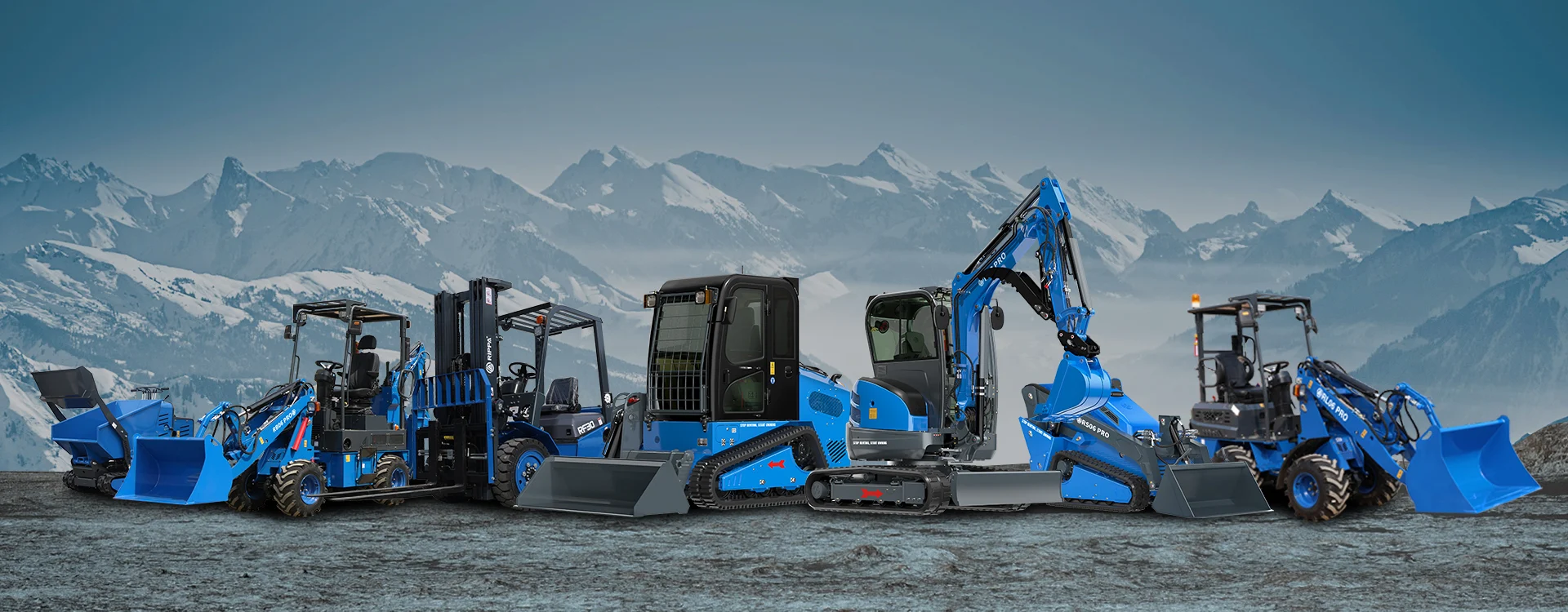
Operating a wheel loader may look straightforward, but becoming a safe and efficient operator requires proper training, machine knowledge, and consistent practice. Whether you’re working in construction, agriculture, landscaping, mining, or material handling, understanding how to operate a wheel loader correctly helps improve productivity, reduce fuel consumption, and extend equipment life.
Modern wheel loaders are designed with ergonomic controls, advanced hydraulic systems, and enhanced visibility, making them easier to use than ever before. However, every operator should follow standardized operating procedures to ensure workplace safety.
This guide explains everything beginners need to know before operating a wheel loader.
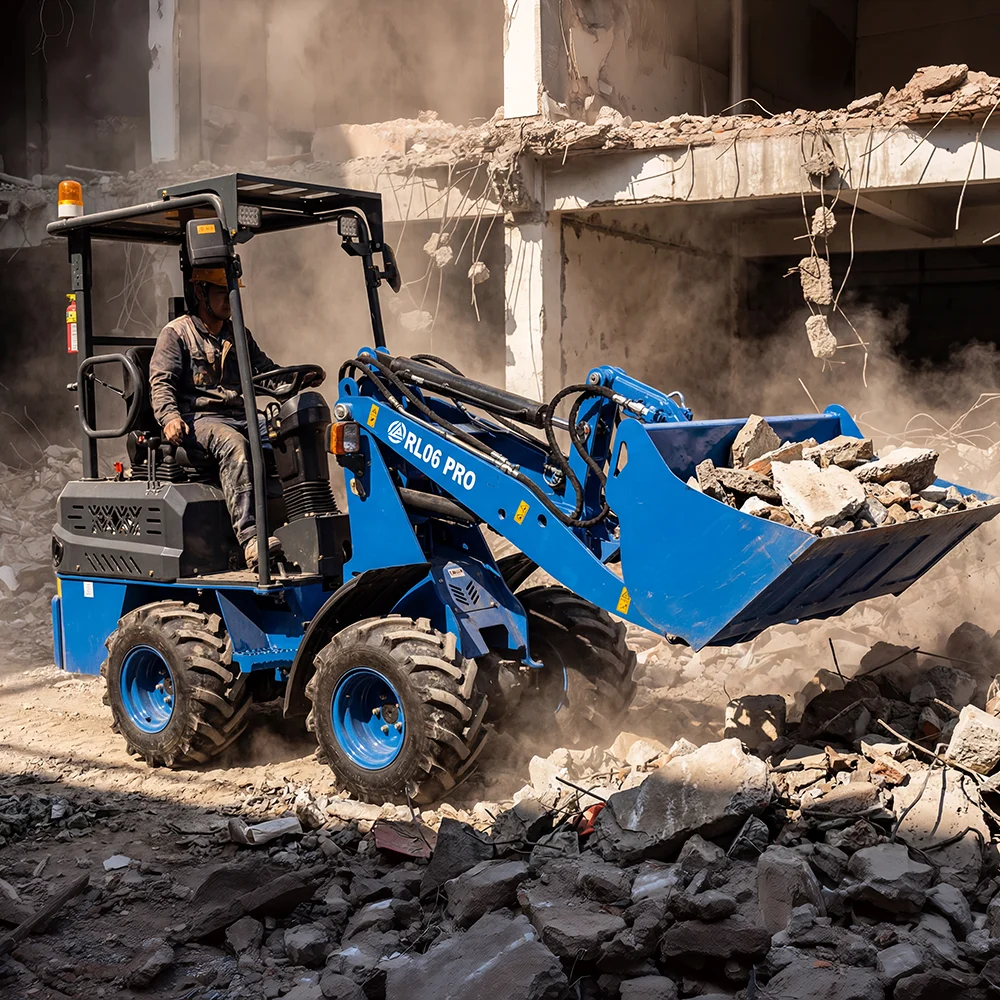
什么是轮式装载机?
A wheel loader is a versatile heavy machine designed to lift, transport, and load loose materials such as:
- 土壤
- 砾石
- 沙
- 雪
- Mulch
- Aggregate
- Construction debris
Unlike tracked loaders, wheel loaders use rubber tires, allowing higher travel speeds and less ground disturbance on paved surfaces.
常见应用包括:
- Construction sites
- Farms
- 仓库
- Quarries
- Municipal maintenance
- 道路建设
- Landscaping projects
Manufacturers such as RIPPA offer compact and mid-sized wheel loaders suitable for both professional contractors and property owners.
Safety Checks Before Operating a Wheel Loader
Before starting the machine, always perform a complete inspection.
Inspect the Machine Exterior
Check for:
- Tire damage or low pressure
- 液压泄漏
- Loose bolts
- Bucket damage
- Broken lights
- Damaged hoses
- Fuel leaks
Walk completely around the loader before entering the cab.
检查液位
Verify:
- 发动机油
- 液压油
- 冷却液
- 变速箱油
- Fuel level
Running with insufficient fluids can damage major components.
Inspect Safety Equipment
Ensure all safety features are functioning:
- 安全带
- Backup alarm
- Horn
- Mirrors
- Rearview camera (if equipped)
- Emergency stop controls
- Lights
Never operate a machine with defective safety systems.
Starting the Wheel Loader
Once inspections are complete:
Step 1
Use three points of contact while entering the cab.
Step 2
Adjust:
- Seat position
- Steering column
- Mirrors
Comfort improves machine control.
Step 3
Fasten the seat belt.
Step 4
Insert the key and start the engine.
Allow the engine to idle for several minutes so hydraulic oil reaches operating temperature.
Never immediately operate under heavy load after a cold start.
Understanding the Controls
Although controls vary by manufacturer, most wheel loaders include:
方向盘
Controls machine direction.
Accelerator Pedal
Controls engine speed.
Brake Pedal
Slows or stops the machine.
Forward / Reverse Lever
Changes travel direction.
液压操纵杆
操作说明:
- 斗式提升机
- Bucket lower
- 铲斗倾斜
- Bucket dump
Spend time practicing these functions before handling material.
Basic Driving Techniques
Driving a wheel loader safely requires smooth movements.
Best practices include:
- Drive at moderate speed.
- 行驶时请将铲斗保持在较低位置。.
- 请避免急转弯。.
- Reduce speed on uneven terrain.
- Maintain safe distances from workers.
- Watch overhead obstacles.
- Use mirrors frequently.
Never travel with a raised bucket because it reduces stability and visibility.
How to Load Material Efficiently
Loading material correctly improves cycle time while reducing fuel consumption.
Approach the Material
直直地开向那堆东西。.
Keep the bucket level with the ground.
Avoid approaching at an angle.
装满水桶
As the bucket enters the pile:
- Apply steady throttle.
- Lift slightly while moving forward.
- Curl the bucket backward.
This allows maximum bucket fill.
Reverse Carefully
After filling:
- Lower the bucket.
- Shift into reverse.
- Check surroundings.
- Back away slowly.
Avoid spinning the tires.
Transport the Load
Carry the bucket low to the ground.
Keeping the center of gravity low greatly improves machine stability.
Dump the Material
Raise the bucket only when reaching the dump location.
Then:
- Lift smoothly.
- Dump gradually.
- Lower the bucket before moving away.
Operating on Slopes
Slopes require additional caution.
When working on hills:
- Travel straight up or down whenever possible.
- Avoid sharp turns.
- Keep loads low.
- Reduce travel speed.
- Avoid sudden braking.
Never overload the bucket while operating on uneven terrain.
Fuel-Efficient Operating Tips
Professional operators reduce fuel costs through proper techniques.
Helpful practices include:
- Avoid excessive idling.
- Use smooth acceleration.
- Minimize wheel spin.
- Plan shorter travel routes.
- Avoid carrying oversized loads.
- Maintain correct tire pressure.
- Perform regular maintenance.
Efficient operation reduces wear while increasing productivity.
初学者常犯的错误
New operators often make avoidable errors.
超速驾驶
High speed reduces reaction time.
Carrying the Bucket Too High
This creates rollover risks.
桶过载
Excessive loads strain:
- Hydraulics
- Transmission
- Tires
- Axles
Ignoring Blind Spots
Always check mirrors before moving.
Use a spotter whenever visibility is limited.
Abrupt Hydraulic Movements
Operate hydraulic controls smoothly.
Sudden movements spill material and increase machine stress.
Daily Maintenance After Operation
Proper maintenance extends equipment life.
Daily tasks include:
- Remove dirt from the bucket.
- Clean the radiator.
- Refuel the machine.
- Inspect hydraulic hoses.
- Check tire condition.
- Lubricate pivot points if required.
- Park on level ground.
- Lower the bucket completely.
- Turn off electrical systems.
Good maintenance minimizes downtime.
如何选择合适的轮式装载机
The ideal loader depends on:
Job Size
Compact loaders are ideal for:
- 园林绿化
- Farms
- 住宅建设
Larger loaders suit:
- Quarries
- 采矿
- Heavy construction
附件兼容性
Many wheel loaders support:
- 托盘叉
- 除雪铲
- 抓斗
- 清扫车
- Buckets of various sizes
Versatile attachments increase machine utilization.
操作员舒适度
Modern machines often feature:
- Air-conditioned cabins
- Suspension seats
- Touchscreen displays
- Rear cameras
- Joystick controls
- Low-noise operation
Comfortable operators work more efficiently.
Why Many Buyers Choose RIPPA Wheel Loaders
RIPPA wheel loaders are designed for users who need dependable performance across construction, agriculture, landscaping, and material handling applications. Available in compact and mid-sized configurations, they emphasize efficient hydraulic performance, comfortable operator stations, and compatibility with a wide range of attachments. Their balanced design makes them suitable for businesses seeking productivity, ease of operation, and long-term value.
结论
Learning how to operate a wheel loader is about more than moving material—it involves understanding machine controls, following safe operating procedures, and performing routine maintenance. By completing pre-operation inspections, driving with the bucket low, using smooth hydraulic movements, and maintaining the equipment regularly, operators can improve safety, reduce operating costs, and maximize productivity. Whether you’re a first-time operator or expanding your fleet, developing proper operating habits will help you get the best performance from your wheel loader.
常见问题
How difficult is it to operate a wheel loader?
Modern wheel loaders are designed with intuitive controls, but safe operation requires training, practice, and familiarity with the machine’s functions.
Should the bucket be raised while driving?
No. The bucket should remain low during travel to improve visibility and machine stability.
What materials can a wheel loader handle?
Wheel loaders are commonly used for soil, gravel, sand, mulch, snow, aggregate, and other bulk materials.
How often should a wheel loader be inspected?
A visual inspection should be completed before each shift, with routine maintenance performed according to the manufacturer’s service schedule.
Can beginners operate a wheel loader?
Yes, beginners can learn to operate a wheel loader under proper instruction and supervision while following all safety guidelines.
 首页
首页
 产品
产品
 电子邮件
电子邮件
 WhatsApp

