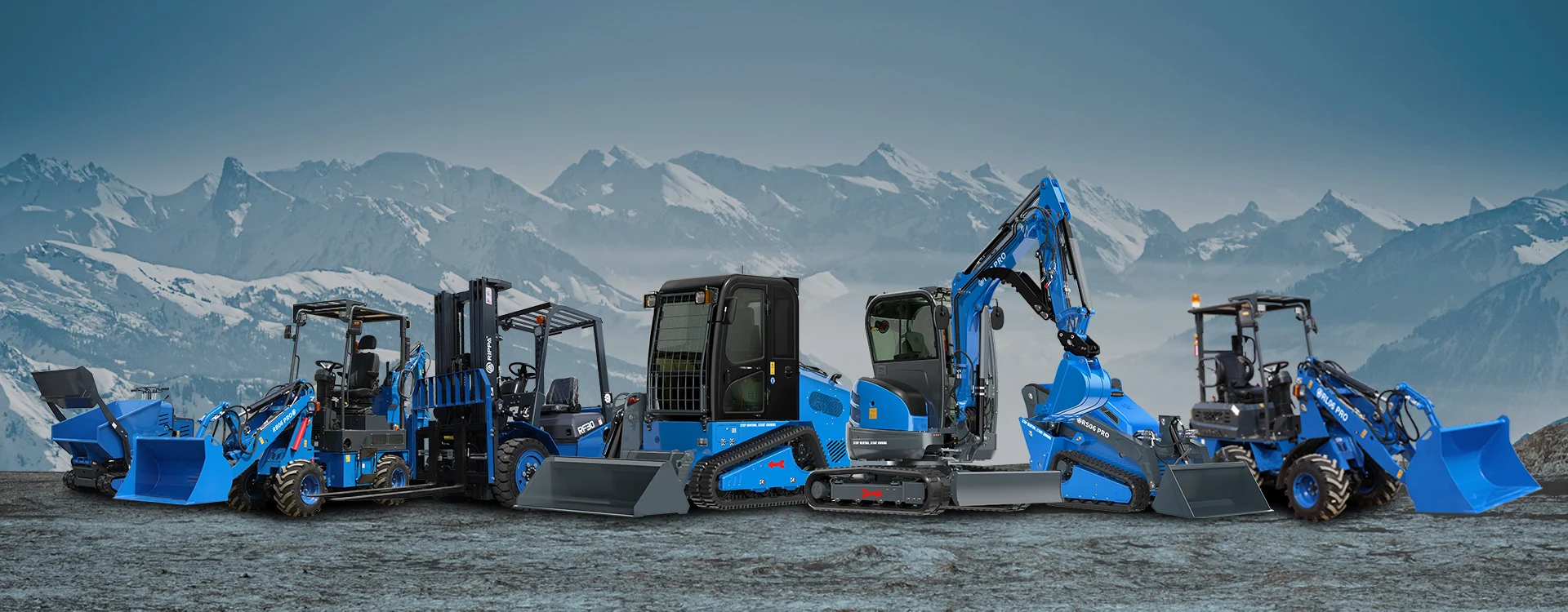
Chinese skid steer loaders have become an equipment sourcing option for international machinery distributors, construction businesses, and agricultural equipment dealers. For buyers in the United States and other overseas markets, importing directly from China can provide access to different manufacturers, product configurations, and wholesale purchasing opportunities.
However, successful importing requires more than selecting a machine and arranging transportation. Buyers need to understand supplier qualifications, product documentation, shipping procedures, customs requirements, and after-sales support.
This guide explains the major steps involved in importing Chinese skid steer loaders for commercial use.
1. Why Import Skid Steer Loaders from China?
China has an established construction machinery manufacturing industry supported by equipment factories and component suppliers.
For international buyers, this creates several sourcing opportunities.
Manufacturer Access: Importers can communicate directly with manufacturers and learn about their production capabilities, product portfolios, and export experience.
Product Selection: Different suppliers offer different equipment configurations and attachment options, allowing buyers to evaluate products according to local market requirements.
Wholesale Cooperation: Some manufacturers accept international distributor relationships and repeat purchasing arrangements.
Product Portfolio Expansion: Machinery dealers can explore skid steer loaders alongside mini excavators, wheel loaders, and other compact construction equipment.
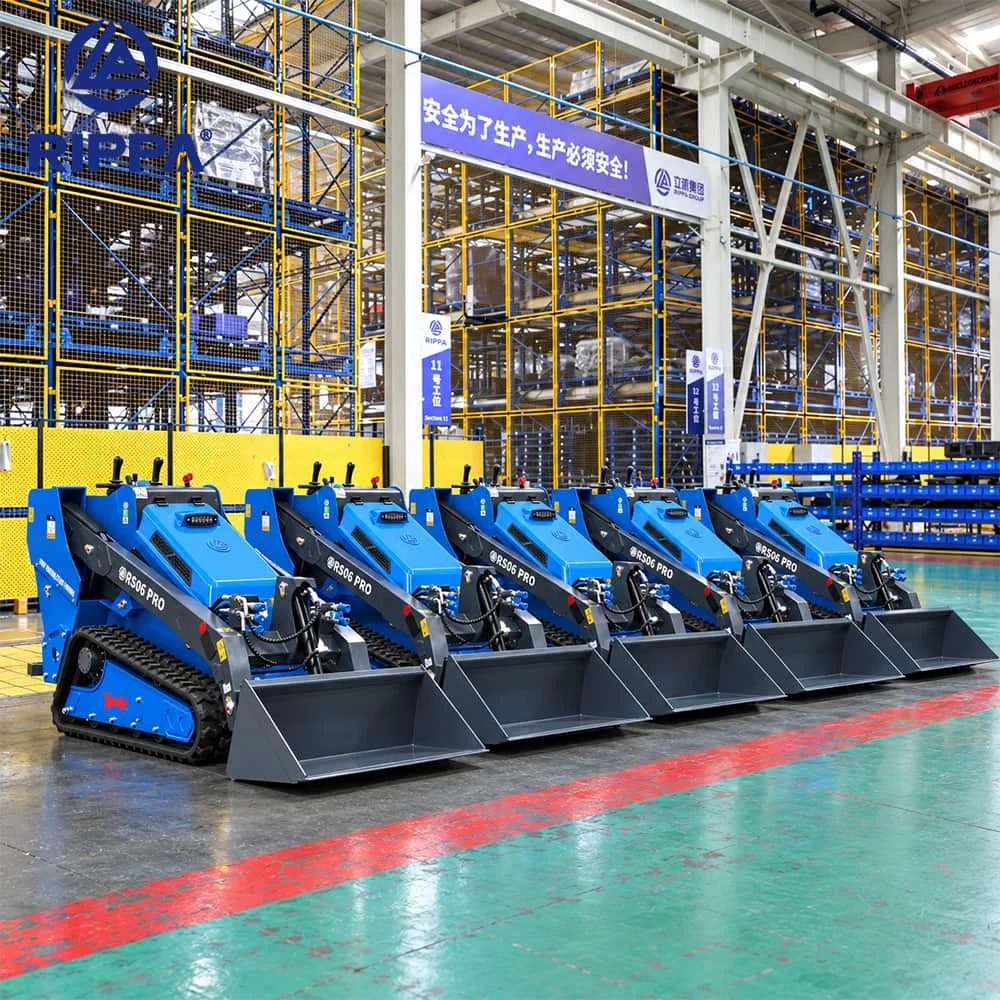
2. How to Select an Export Supplier
The first major decision is choosing a supplier capable of handling international orders.
Before making a purchase, evaluate the following factors.
Verify the Company’s Business Background
Check the supplier’s business identity, manufacturing facilities, company history, and product portfolio.
If the company claims to operate its own factory, request supporting information about its production operations.
Review Export Experience
International equipment shipments involve documentation, packaging, transportation, and customs coordination.
Ask whether the supplier has experience serving your destination market and whether it can explain the export process clearly.
Confirm Product Information
Request product descriptions, configuration details, operation manuals, maintenance information, and available attachment options.
Make sure the quoted machine matches your intended application.
3. Understand the Importing Process
Importing Chinese skid steer loaders generally involves several stages.
Step 1: Identify Your Requirements
Determine the intended application, target customers, equipment configuration, and purchasing quantity.
Step 2: Request Quotations
Ask suppliers for detailed quotations covering equipment, attachments, packaging, payment terms, and shipping arrangements.
Step 3: Confirm the Order
Review the sales contract, product configuration, delivery conditions, inspection arrangements, and responsibilities of both parties.
Step 4: Arrange Shipping
Confirm the shipping method, loading arrangements, cargo protection, and estimated transportation schedule.
Step 5: Complete Customs Procedures
Prepare the required commercial and shipping documents and verify applicable import duties, taxes, and regulatory requirements.
For US imports, buyers should confirm the correct tariff classification and applicable product requirements before shipment.
4. Important Documents for International Equipment Imports
Documentation is an important part of international machinery purchasing.
Depending on the shipment and destination, commonly relevant documents may include:
- Commercial invoice
- Packing list
- Bill of lading
- Certificate of origin, when applicable
- Product and technical documentation
- Applicable compliance documents
Requirements vary by destination and equipment configuration. Importers should work with qualified customs brokers to verify the documents needed for their specific shipment.
5. Calculate the Total Landed Cost
The supplier’s equipment quotation does not represent the complete importing cost.
Buyers should consider:
- Equipment purchase price
- International freight
- Cargo insurance
- Customs duties and taxes
- Port handling charges
- Inland transportation
- Spare parts inventory
Calculating the landed cost helps importers establish realistic selling prices and evaluate business profitability.
6. Prepare for Equipment Support After Delivery
Importing equipment is only the beginning of the customer relationship.
Dealers should understand how replacement parts, technical questions, warranty requests, and maintenance information will be handled.
Before ordering, clarify the manufacturer’s after-sales policies and establish communication procedures for future support.
A dependable supplier should provide clear information about its responsibilities and available services.
7. RIPPA: Chinese Construction Equipment for International Markets
RIPPA is a Chinese construction machinery brand serving international markets with a range of compact equipment.
Its product portfolio includes skid steer loaders, mini excavators, wheel loaders, and other construction machinery.
For overseas importers and distributors, RIPPA offers opportunities to explore equipment sourcing and international dealer cooperation.
Businesses interested in Chinese skid steer loaders can review available products, discuss purchasing requirements, and learn about potential distribution partnerships.
8. Frequently Asked Questions
Can I import Chinese skid steer loaders into the United States?
Importation may be possible, provided the equipment meets applicable customs, emissions, safety, and other regulatory requirements. Buyers should verify the requirements for the specific machine before shipment.
What should I check before paying a Chinese supplier?
Verify the company’s identity, product configuration, quotation, contract terms, payment arrangements, manufacturing information, and shipping responsibilities.
How long does it take to import a skid steer loader from China?
The timeline depends on production readiness, order processing, shipping routes, customs clearance, and inland transportation. Buyers should request a shipment-specific estimate rather than rely on a general delivery promise.
Can manufacturers arrange international shipping?
Some manufacturers coordinate export shipping or work with freight forwarders. Confirm the exact services, responsibilities, and costs before ordering.
Conclusion
Importing Chinese skid steer loaders requires careful preparation, from selecting a qualified supplier to completing customs procedures and planning after-sales support.
For international machinery buyers, a structured importing process helps reduce purchasing uncertainty and creates a stronger foundation for long-term equipment distribution.
 Home
 Products
 Email
 WhatsApp

