
This document provides standardized guidance on the proper operation and daily maintenance of a skid steer loader in accordance with general equipment operation manuals. Correct operation includes pre‑operation inspection, controlled driving, proper use of attachments, and safe shutdown procedures. Daily maintenance focuses on fluid checks, visual inspection, cleaning, and condition monitoring of key components. These procedures are applicable to general-purpose skid steer loaders used in construction, landscaping, agriculture, and property maintenance. Following defined operating boundaries and maintenance intervals helps ensure stable performance, predictable handling, and reduced risk of abnormal wear.
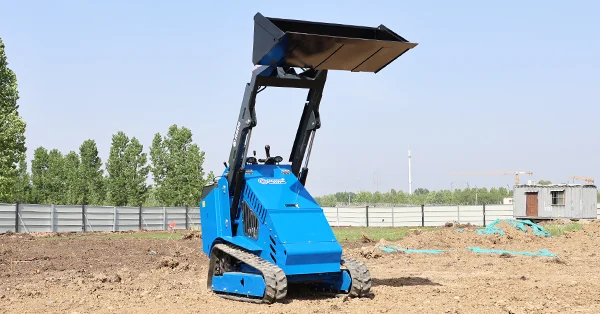
Pre‑Operation Inspection and Preparation
Before operating a skid steer loader, complete the following checks:
- ●Park the machine on firm, level ground
- ●Engage the parking brake and lower all attachments to the ground
- ●Check engine oil, hydraulic oil, coolant, and fuel levels
- ●Inspect tires or tracks for damage, wear, or improper tension
- ●Confirm that guards, panels, and covers are securely installed
- ●Verify that attachments are correctly mounted and locked
- ●Ensure the operator seat, seat belt, and safety restraint systems are functional
- ●Remove debris from the operator platform and control areas
Basic Operating Steps
1.Enter the operator station using designated access points
2.Sit in the operator seat and fasten the seat belt
3.Confirm that all control levers or joysticks are in neutral position
4.Start the engine and allow it to idle until system indicators show normal status
5.Release the parking brake according to control layout
6.Apply smooth and gradual input to drive forward or backward
7.Use coordinated steering inputs to turn or pivot as required
8.Operate attachments only within their rated working range
9.Reduce speed before stopping and return controls to neutral
10.Engage the parking brake and shut down the engine before exiting
操作注意事项
- ●Avoid sudden acceleration, braking, or sharp turns
- ●Do not operate on slopes exceeding rated stability limits
- ●Avoid carrying loads with the attachment raised unnecessarily
- ●Do not exceed rated operating capacity
- ●Should pay attention to ground conditions and surrounding personnel
- ●Do not leave the operator station while the engine is running
Daily Maintenance and Service Items
Routine maintenance should be performed at specified intervals.
Maintenance intervals should follow standard service guidelines.
Long‑Term Storage or Inactive Periods
- ●Clean the skid steer loader thoroughly before storage
- ●Park the machine on a stable surface in a protected area
- ●Lower attachments to the ground to relieve hydraulic pressure
- ●Release residual hydraulic pressure according to standard procedures
- ●Inspect fluid levels and components before returning to service
常见的运行与维护问题
Can a skid steer loader be operated continuously at maximum load?
No. Continuous operation at maximum load may increase component wear and reduce stability.
Is daily inspection necessary even for short operating periods?
Yes. Daily inspection ensures that potential issues are identified before operation.
Should attachments be changed while the engine is running?
No. The engine should be shut down and hydraulics depressurized before changing attachments.
摘要
Proper operation and daily maintenance of a skid steer loader rely on standardized procedures, controlled operation, and routine inspection. Completing pre‑operation checks, following correct driving steps, and performing regular maintenance are essential for maintaining equipment reliability, operational safety, and consistent performance over time.
 首页
首页
 产品
产品
 电子邮件
电子邮件
 WhatsApp

