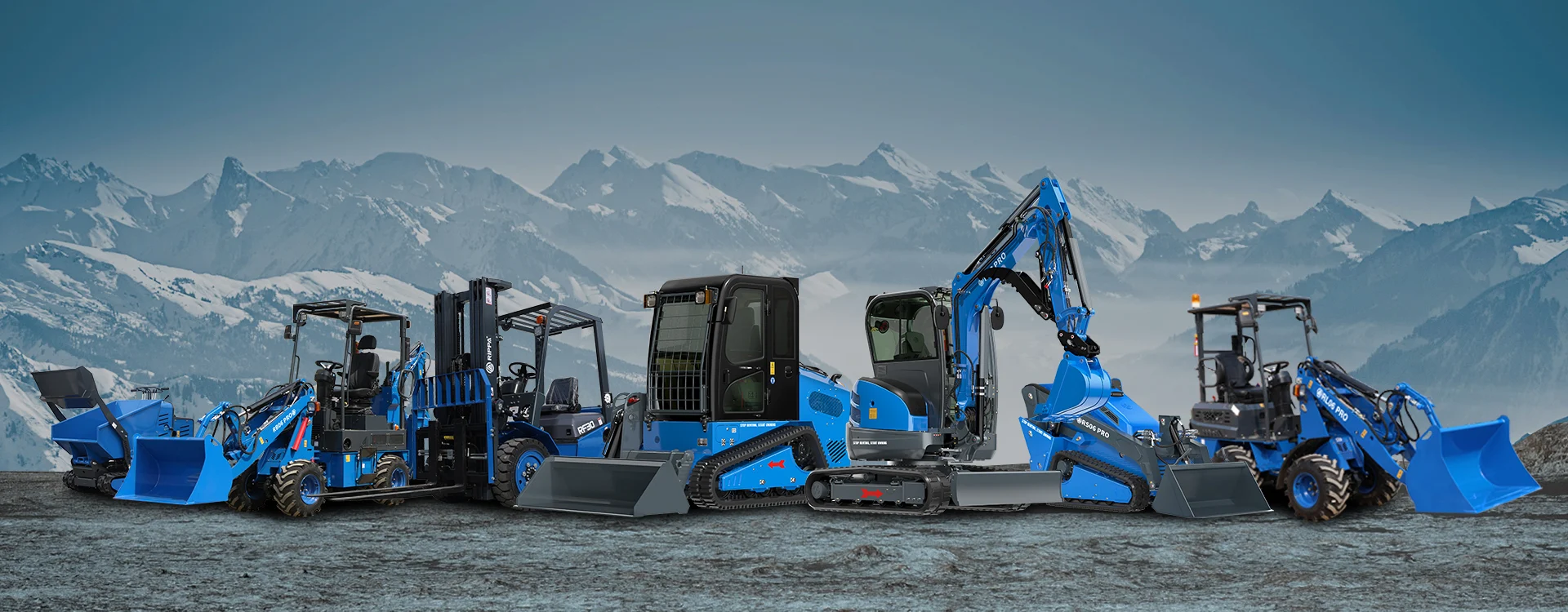
Used equipment dealers already understand the machinery market. They know how contractors evaluate machines, how landscapers compare equipment, how farmers think about practical work, and how local buyers balance price, risk, and long-term value. Many used construction equipment dealers have built their business around second-hand excavators, loaders, skid steer loaders, forklifts, tractors, and other machines that still have useful working life.
But in many local markets, relying only on used equipment can create limits.
Used inventory is not always stable. Machine condition varies. Popular sizes may be hard to source consistently. Some customers are willing to buy used machines, while others want a new machine with clearer configuration, fewer unknowns, and better long-term support. For dealers who already serve contractors, farms, property owners, landscapers, and equipment buyers, adding new mini excavators can be a practical way to expand without abandoning the used equipment business.
New mini excavators do not need to replace used machines. They can sit beside used inventory as a complementary product line. For dealers, this creates more choices for customers, more stable inventory options, and more opportunities for parts, attachments, service, and repeat business.
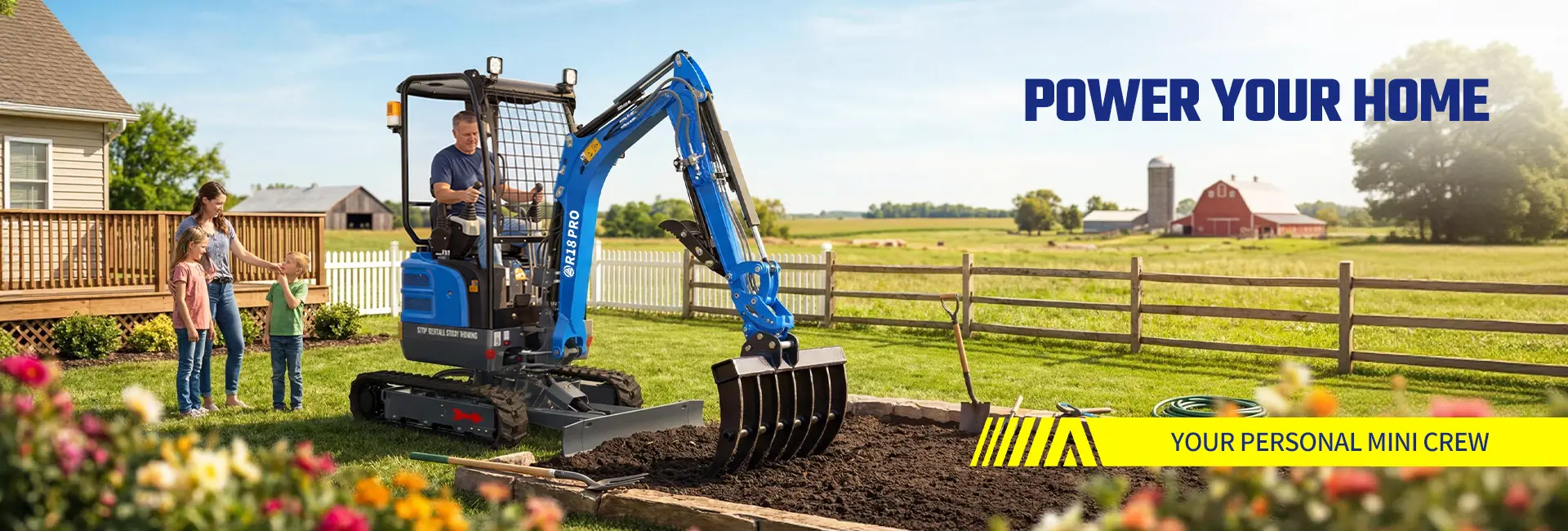
Used Equipment Dealers Already Have the Right Customer Base
One of the biggest advantages used equipment dealers have is customer access. A new business entering the compact excavator market may need to spend heavily just to find the right buyers. A used equipment dealer often already has those customers.
Typical customers may include:
- Small contractors
- Landscaping companies
- Farm owners
- Property maintenance businesses
- Rural landowners
- Equipment rental operators
- Municipal maintenance teams
- First-time machine buyers
- Existing used equipment customers looking for another machine
These customers already understand the value of machinery. They may have bought a used loader, a second-hand excavator, a tractor, a trailer, or other equipment before. Many of them also have digging, trenching, drainage, land maintenance, or landscaping needs.
A mini excavator is easy for these buyers to understand because its work is visible. It digs trenches, repairs driveways, prepares drainage lines, clears roots, supports fence work, helps with planting, and handles many small site preparation tasks. For a dealer, this makes the product easier to explain than a completely unfamiliar equipment category.
The dealer does not need to create a new customer base from zero. Instead, the dealer can introduce new mini excavators to people who already trust the business and already use machines in their daily work.
New Mini Excavators Can Fill Used Inventory Gaps
Used equipment can be profitable, but it is not always predictable. A dealer may sell a popular used excavator quickly and then struggle to find another one with similar condition, price, hours, and market appeal. The next machine may require more inspection, repair, or negotiation before it can be offered to customers.
This creates several problems:
- Inventory can be inconsistent.
- Salespeople cannot always quote the same configuration.
- Buyers may hesitate because condition varies.
- Repair or preparation costs may change from machine to machine.
- Dealers may lose customers when the right used machine is not available.
New mini excavators can help reduce this uncertainty.
With a new machine line, dealers can build a more repeatable product offering. They can prepare standard product pages, basic sales materials, common application explanations, and customer questions in advance. They can train salespeople around a more consistent product message.
This does not mean every customer will choose new equipment. Some customers will still prefer used machines because of budget. But when a customer asks for a cleaner, more predictable option, the dealer has something to offer instead of losing the inquiry.
New and Used Machines Serve Different Buyers
A strong dealer does not need to choose between new and used machines. Both can serve different customer needs.
Some buyers want the lowest possible upfront cost and are comfortable evaluating used equipment condition. Others want fewer unknowns, more predictable configuration, and clearer ownership expectations. Some buyers may begin by asking about used equipment but become open to a new mini excavator when they understand the difference in risk, support, and long-term use.
| Customer Type | Used Equipment Fit | New Mini Excavator Fit |
|---|---|---|
| Price-sensitive buyer | Good option if condition and price are acceptable | May consider an entry-level new machine if total value is clear |
| Contractor needing predictable uptime | Depends heavily on machine condition | Stronger fit when support, parts, and configuration are clear |
| Farm or property user | May accept older machines for occasional work | New compact machines can reduce uncertainty for long-term use |
| First-time machine buyer | May worry about hidden problems | Easier to understand if configuration and support are clear |
| Dealer resale customer | Depends on available local used supply | New stock can support repeatable sales and customer confidence |
| Rental operator | Used machines may reduce initial cost | New machines may simplify fleet standardization |
The key is not to push one option against the other. The dealer should help customers compare based on use frequency, budget, risk tolerance, maintenance ability, and expected working life.
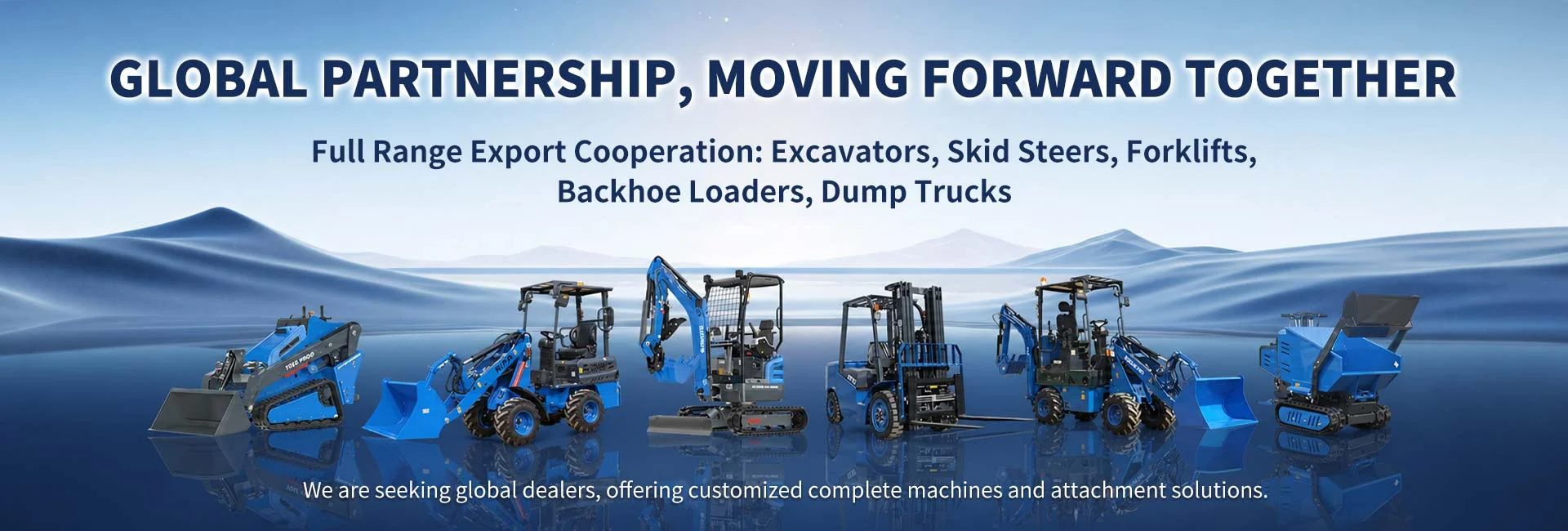
Mini Excavators Create More Than One Revenue Opportunity
Selling a machine is only one part of the business. Mini excavators can create several connected revenue opportunities for used equipment dealers.
A dealer may earn from:
- Machine sales
- Attachment packages
- Common spare parts
- Maintenance support
- Customer upgrades
- Repeat machine purchases
- Rental cooperation
- Referral business
- Trade-ins
- Local service relationships
This is important because a mini excavator is not a one-time conversation. A customer who buys a machine may later need a bucket, an auger, a thumb, a rake, filters, wear parts, maintenance advice, or another machine. A contractor may buy one machine first and later need additional units. A landscaping company may begin with one excavator and later ask about attachments or complementary equipment.
For dealers, this creates a path from transaction-based sales to longer-term customer relationships.
RIPPA mini excavators can be positioned as a practical new equipment line for dealers who want to build repeatable sales around compact digging, trenching, farm maintenance, landscaping, property work, and small contractor applications. Before promotion or quotation, dealers should confirm current machine configuration, parts package options, attachment compatibility, warranty policy, and cooperation terms with an authorized RIPPA representative.
Why Mini Excavators Are Easier to Introduce Than Many Other Product Lines
Some product categories require a long education process. Customers may not immediately understand who needs the machine, what it does, or why it matters. Mini excavators are different.
Most equipment buyers can understand the use cases quickly:
- 挖沟
- Preparing drainage
- 车道维修
- 清理树根
- Digging for fence posts
- Preparing land for landscaping
- Maintaining farm paths
- Supporting small construction projects
- Handling property maintenance tasks
For a dealer, this makes mini excavators easier to market. Product pages, social media videos, local demonstrations, and sales conversations can focus on real work rather than abstract specifications.
A used equipment dealer can show a mini excavator digging, grading, cleaning, or preparing land, and the customer can immediately connect that work to a real project. This is especially useful for rural markets, landscaping markets, small contractor markets, and property improvement markets.
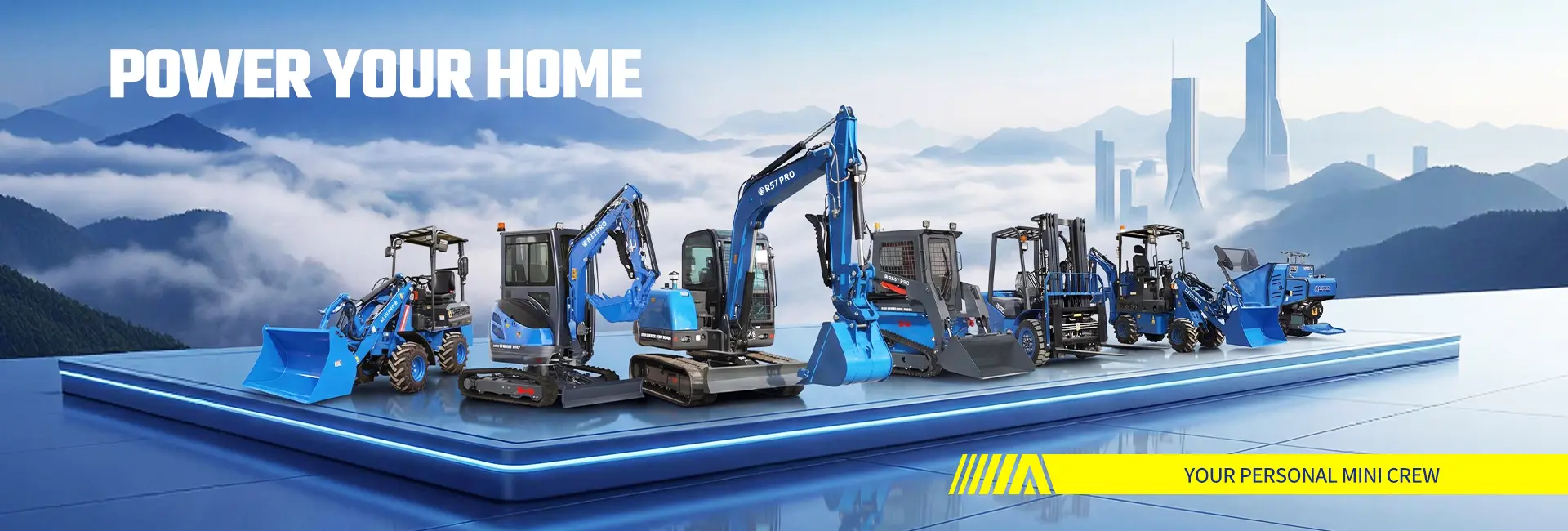
How Used Equipment Dealers Can Test New Mini Excavator Demand
Dealers do not need to make a large commitment before testing demand. A careful step-by-step approach can reduce risk.
Start with a small product selection
A dealer can begin with one or two practical mini excavator models that match common local applications. The goal is not to cover every possible size immediately. The goal is to test customer response with machines that are easy to explain and suitable for common jobs.
Use application-based marketing
Instead of only posting machine photos, dealers should show what the excavator can do. Examples include trenching, driveway repair, drainage work, farm maintenance, landscaping preparation, and fence line preparation.
Prepare basic attachment options
Attachments help customers see more value in the machine. Dealers can start with common attachment directions such as buckets, augers, thumbs, rakes, or quick couplers, depending on machine compatibility.
Build a common parts plan
Parts support matters. Before selling machines, dealers should understand which parts are commonly needed and how support will be handled. This helps reduce customer concern after purchase.
Train the sales team to ask better questions
Salespeople should not only ask, “Do you want a new or used machine?” Better questions include:
- What jobs do you need the machine for?
- How often will you use it?
- 它适用于什么样的地面?
- Do you need attachments?
- Are you comparing rental, used, and new options?
- Do you need support after purchase?
Track inquiries and objections
The dealer should record what customers ask about most often: price, machine size, attachments, warranty, parts, financing, trade-in, delivery, or support. This information helps decide whether to order more machines or adjust the product offering.
What Dealers Should Confirm Before Adding a New Supplier
Before adding new mini excavators, used equipment dealers should evaluate the supplier carefully. A low initial price is not enough if the dealer cannot support the customer later.
Important items to confirm include:
| 待确认事项 | 为何这很重要 |
|---|---|
| Current machine configuration | Ensures the machine matches local customer needs |
| Dealer pricing structure | Helps the dealer plan resale margins responsibly |
| Availability and lead time | Supports inventory planning |
| Common spare parts package | Reduces future downtime risk |
| 附件兼容性 | Helps create useful machine packages |
| 保修政策 | Clarifies responsibility after sale |
| Technical support process | Helps the dealer support customers |
| Shipping and trade terms | Affects landed cost and delivery planning |
| Product documentation | Helps sales, import, and customer education |
| Dealer cooperation terms | Supports long-term business planning |
For RIPPA-related cooperation, dealers should confirm the latest product configuration, available support terms, parts process, attachment options, delivery arrangement, and dealer policy before making public claims or offering quotations.
How Dealers Can Position New Mini Excavators Beside Used Equipment
The best approach is not to make customers feel that one option is always better than the other. Instead, dealers can position new and used machines as two different solutions.
A used machine may be suitable when:
- The customer has a limited budget.
- The machine condition is acceptable.
- The buyer understands maintenance risk.
- The job does not require predictable long-term use.
- The customer is comfortable with inspection and repair history.
A new mini excavator may be suitable when:
- The customer wants clearer configuration.
- The buyer wants fewer unknowns.
- The machine will be used regularly.
- Parts and support are important.
- The customer wants a more predictable ownership experience.
- The dealer wants a repeatable product line.
This balanced positioning protects the dealer’s existing used equipment business while creating a path into new equipment sales.
常见问题解答
Should used equipment dealers sell new mini excavators?
Yes. New mini excavators can complement used equipment inventory by giving dealers a more stable and repeatable product line. They can serve customers who want clearer configuration, fewer unknowns, and long-term support.
Will new mini excavators compete with used equipment inventory?
Not necessarily. New and used machines can serve different buyer needs. Some customers will still prefer used machines because of budget, while others may choose new machines for predictability, support, and long-term use.
What customers are most likely to buy new mini excavators?
Potential buyers include contractors, farms, landscapers, property owners, rental companies, and first-time equipment buyers who need compact digging equipment for repeated work.
How can dealers test demand before ordering more machines?
Dealers can start with one or two practical models, promote real applications, prepare basic attachment options, track customer inquiries, and use sales data before expanding inventory.
What should dealers ask a mini excavator supplier before ordering?
Dealers should ask about current configuration, parts support, warranty policy, attachment compatibility, delivery process, trade terms, documentation, technical support, and dealer cooperation terms.
Can mini excavators create parts and attachment revenue?
Yes. Mini excavators can create additional revenue through attachments, common spare parts, maintenance support, repeat purchases, and long-term customer relationships.
结论
Used equipment dealers do not need to choose between used machines and new mini excavators. A smart inventory strategy can include both.
Used machines serve customers looking for pre-owned value. New mini excavators help dealers build stable inventory, attract different buyer groups, reduce supply uncertainty, and create long-term revenue through machines, attachments, parts, service, and repeat business.
For dealers who already serve contractors, farms, landscapers, property owners, and equipment buyers, adding new mini excavators can be a practical next step. RIPPA mini excavators can be considered as a compact equipment line for dealers who want to expand carefully, serve more customer needs, and build a more repeatable machinery business.
Before purchase, promotion, or dealer cooperation, all current machine configurations, attachment compatibility, warranty policy, parts support, delivery arrangements, and business terms should be confirmed with an authorized RIPPA representative.
 首页
首页
 产品
产品
 电子邮件
电子邮件
 WhatsApp

